

























































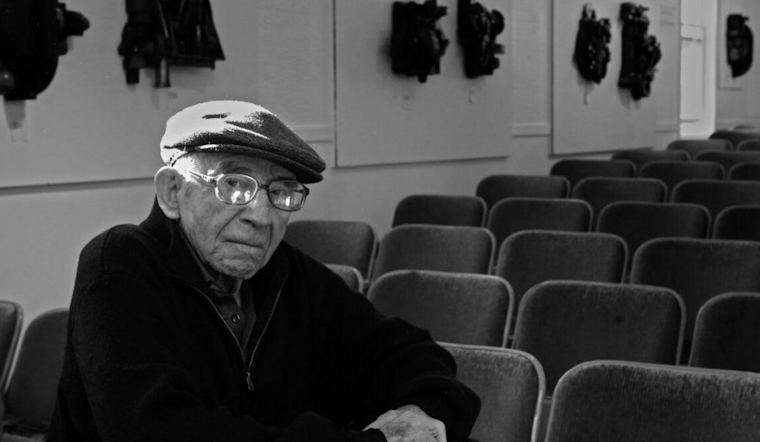
[Editor's note: The following obituary reflects on the life of Jacques Jacob Terzian, the founder of The Point artist colony at Hunters Point, and a prominent artist himself over a long and deeply involved career in the neighborhood, the Bay Area, and beyond.
Penned by his son-in-law, technology writer John Markoff, it tells the story of how Terzian turned the abandoned shipyards into an affordable local artist refuge and one of the largest artist communities in the country today.]
Jacques Jacob Terzian, a San Francisco sculptor and independent businessman who created the nation’s largest artist’s colony, died at his home in Walnut Creek, Calif., on August 6th. He was 94.
Born in Fresno, CA on August 31st, 1921, Jacques, who was named Hagop at birth, was the third of five children of Paul Boghos Terzian, who had arrived in America in 1911, and his wife, Zarouhi Hagopian Terzian. Jacques’ father, who emigrated from Arabkir, Western Armenia after first traveling to Egypt, worked as a cobbler after moving to the United States. The family moved from Chicago to Fresno in 1917, ultimately settling in California.
After briefly working in California shipyards in Richmond and Hunters Point, Jacques enlisted in the Air Force and was trained as a navigator in Texas. After the war, with support from the G.I. Bill, Jacques obtained an undergraduate degree at the University of California at Berkeley. He then studied interior design at the Parsons School in New York City before returning to the Bay Area with wife, Margaret Banner Terzian (who died in 1981) and his first child, Stephen.
Jacques worked as an interior designer, and in the early 1970s, he was the owner of Patterns Ltd., a furniture and interior design business. He designed and built a broad range of ‘found object’ industrial art, from custom furniture to large-scale sculpture, and his installations appear in numerous commercial sites and private collections in the San Francisco Bay Area, New York City, Dallas, Chicago, Boston and Los Angeles.
Patterns Ltd. was located in a dilapidated warehouse district where Levi's Plaza is located today. In the 1970s, San Francisco, long a working-class and multicultural community, was in the midst of being transformed into a white collar financial center. As a result, the city’s artistic community was being forced to move from the inexpensive warehouses where it had thrived.
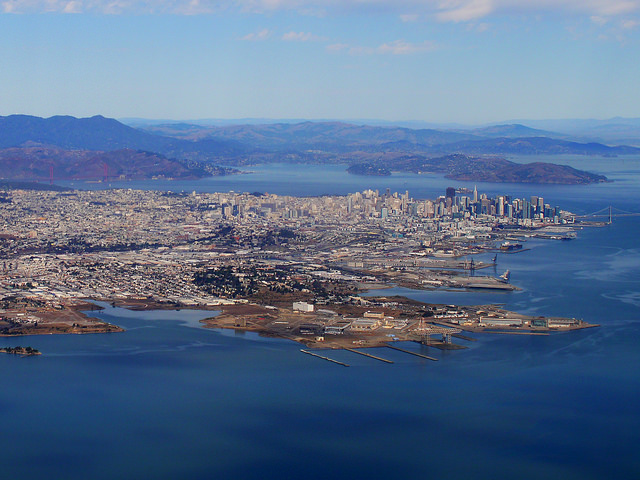
When the artists were forced from their studios by the development project, Jacques saw a business opportunity. One day, while he was looking for a new location, he saw a large sign advertising warehouse space for rent at the Hunters Point Shipyard, a military base where he had once worked repairing ships as a 20-year-old during the Second World War.
In 1974, the U.S. Navy had decommissioned the Hunters Point Shipyard, leaving behind a series of ramshackle sailors’ barracks. Two years later, the Navy began to lease the base commercially. Jacques convinced the landlord, Albert O. Engel, to sublease a building, initially for storage.
In 1983, with the help of his children, he began retrofitting buildings; the next year, he created affordable workspaces and more significantly, a unique artists' community named “The Point," which he operated until 2000, when he began to gradually retire.
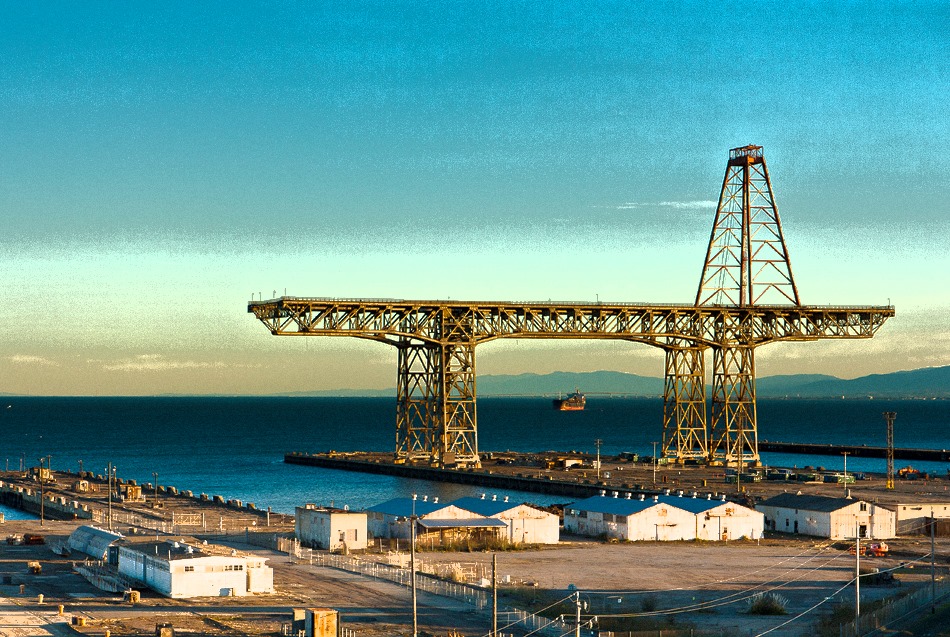
The buildings had largely been gutted of plumbing and wiring, and Jacques, already in his sixties, spent the better part of a year working on his back, reinstalling pipes underneath the first building he restored. Not a professional plumber, he often told the story of how he had not installed a pressure relief valve in the system, and as a result, the building shook violently each time a toilet was flushed.
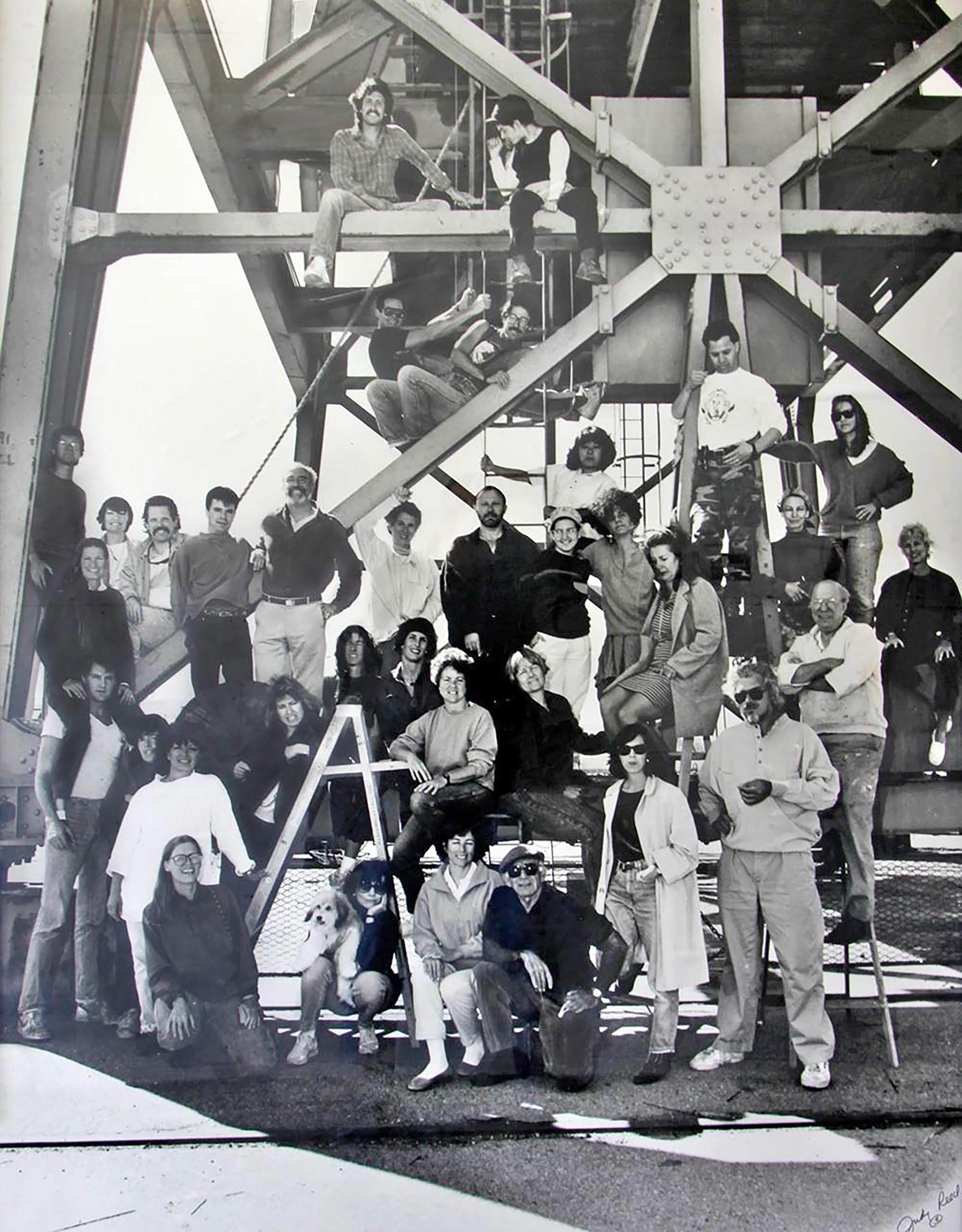
Today, The Point continues to thrive. Managed by Jacques’ son David, it's currently home to more than 250 artists. The name “The Point” originally came to Jacques while he was developing the first building at Hunters’ Point and people kept asking him, “What is the point?”
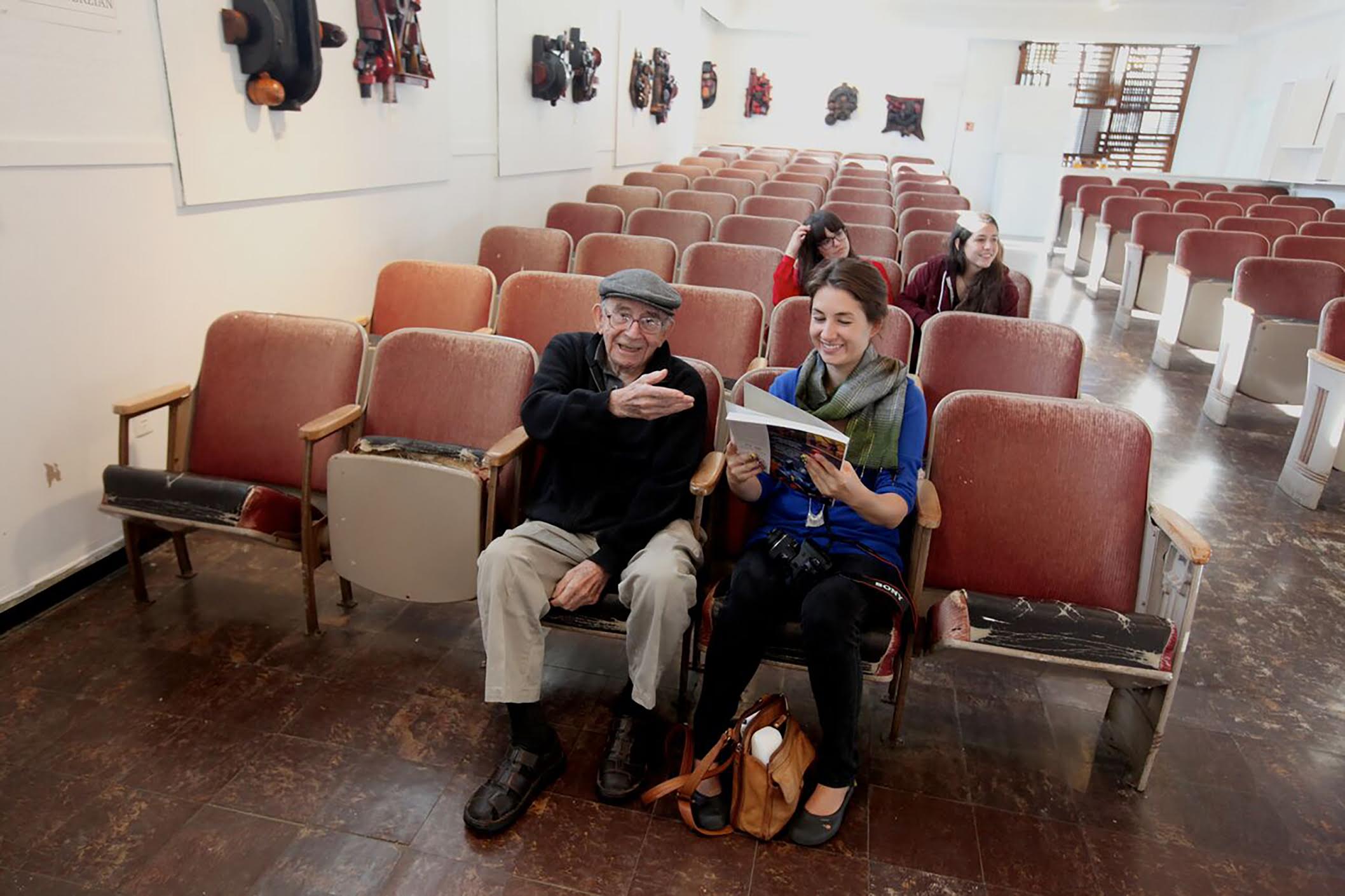
From its inception, The Point was a fragile institution that Jacques worked tirelessly to protect. At various times, both the Navy and the City of San Francisco attempted to push the artists out of the Shipyard. In 1984, a political battle erupted over a plan put forward by then-Mayor Dianne Feinstein to homeport the battleship U.S.S. Missouri. Jacques rallied the artists, printing buttons that read SOB—for “Save Our Businesses.”
He also had a deep commitment to ensuring that the artist community stayed connected to the low-income communities that surrounded the shipyard. “Most of the community saw Hunters Point as Fort Apache,” said Joe Sam, a painter who was born and raised in Harlem and who was an early member of The Point community. “I trusted Jacques on the fact that he would try to recruit minority artists.”
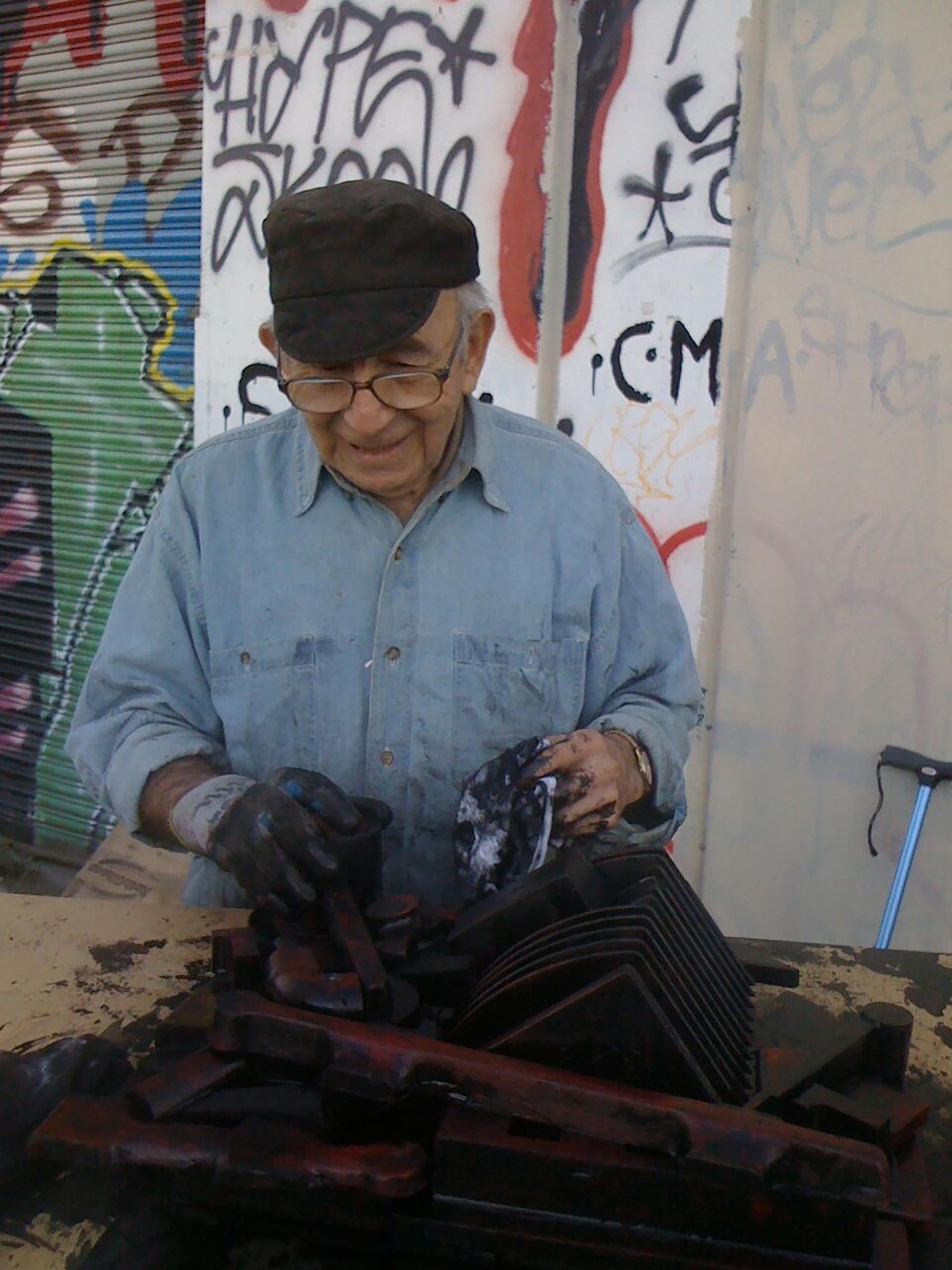
Over more the past three decades, The Point has offered a series of residencies for young artists in the surrounding community. The first award was given to Malik Seneferu, a young man who had grown up in Hunters Point. He is now a widely recognized Bay Area artist. Underscoring his commitment, Jacques bought a home in the adjacent Bayview neighborhood, and lived there for many years.
In addition to his role as property manager, Jacques built a deep bond with the artists working at The Point. He was a regular visitor to their studios, dispensing advice and artistic criticism.
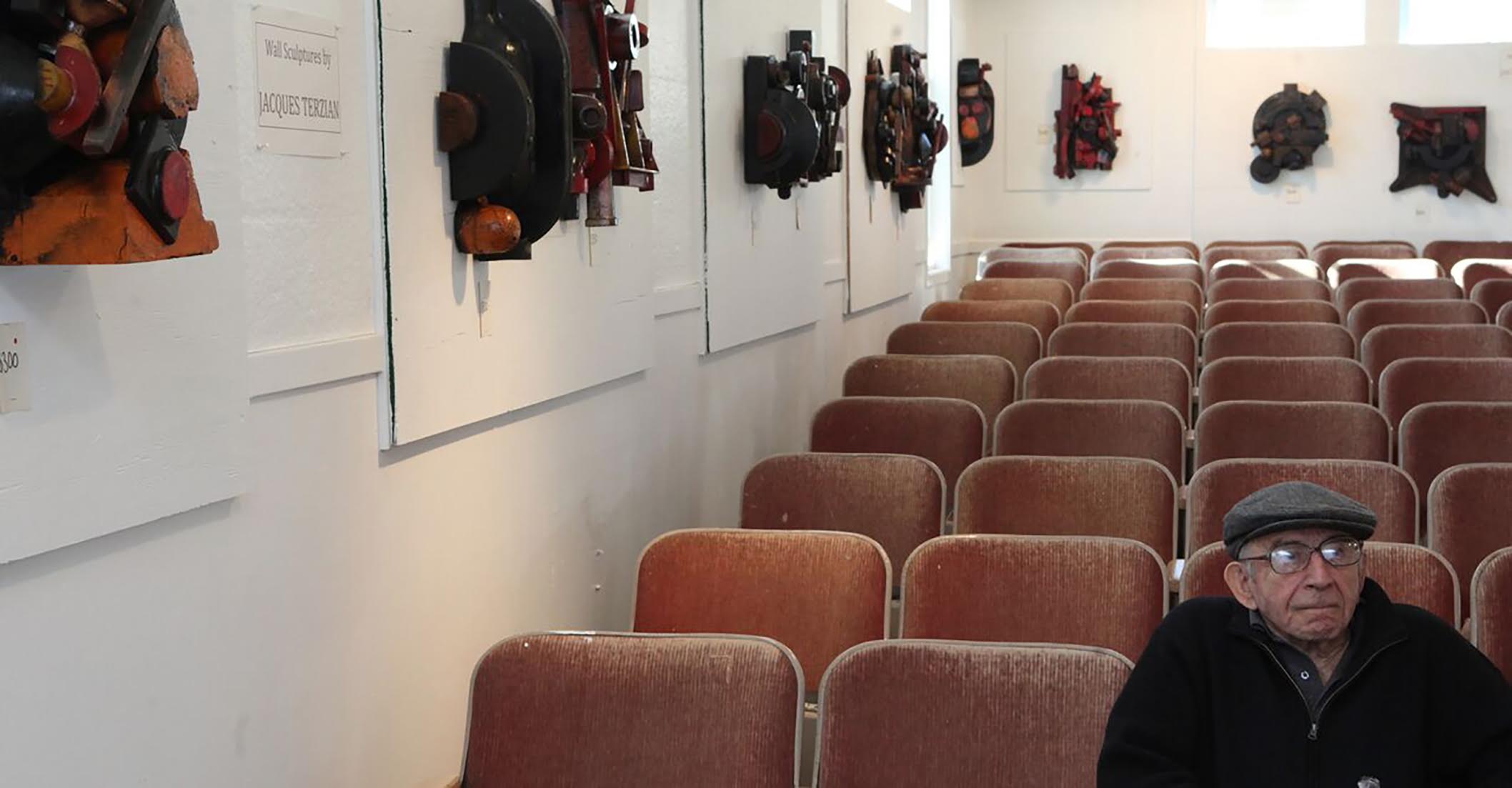
His passion for the arts extended to music. He became a close friend of Tatiana Troyanos, one of the world’s best-known opera singers, and his longtime companion was Sally Seymour, a San Francisco restaurateur and artist. The two remained friends until Jacques’ death.
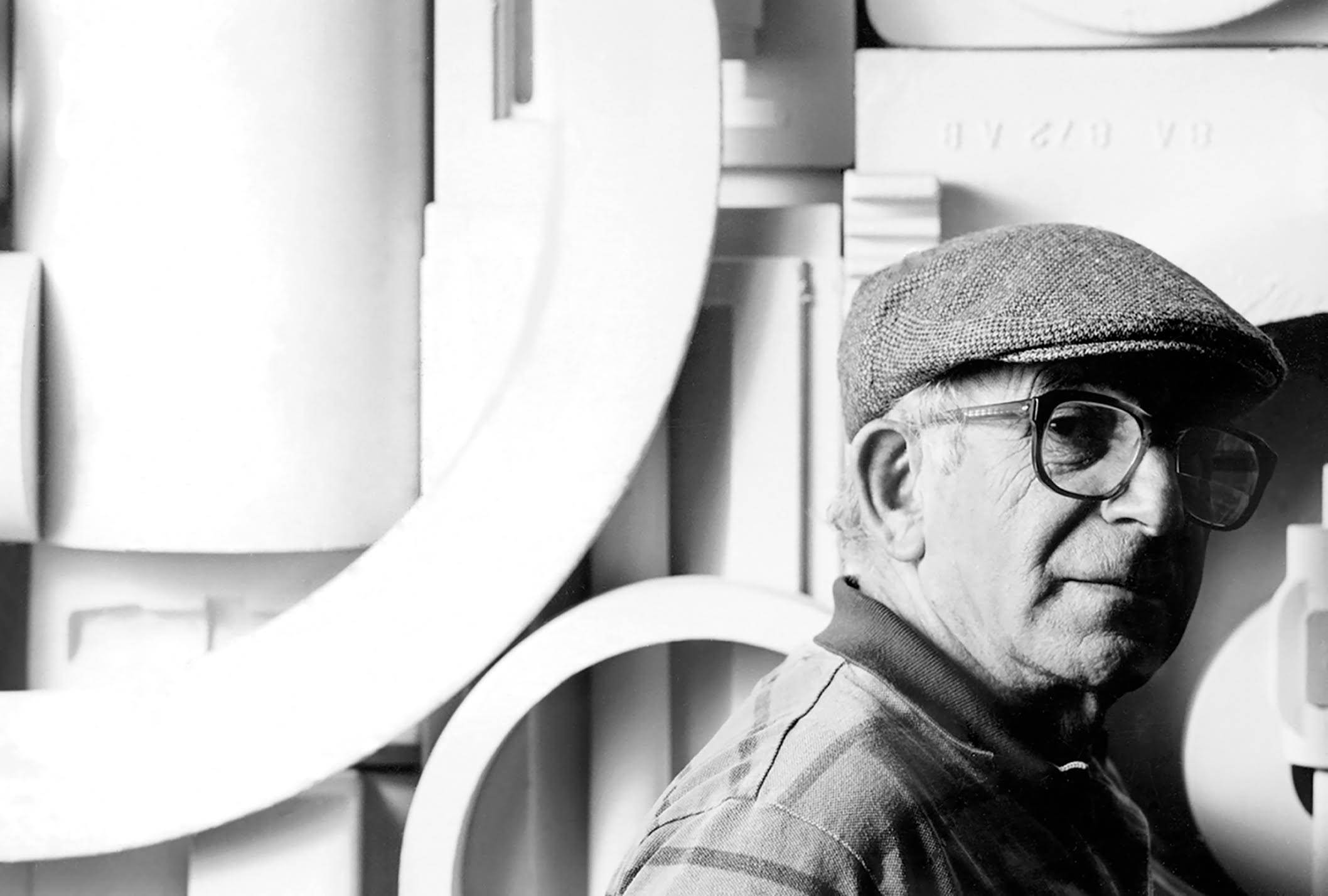
Jacques is survived by five children, Stephen, Paula, Leslie, Carla and David; six grandchildren, Brianna, Ryan, Kristin, Shaun, Mackenzie and Jillian; and four great-grandchildren.
In lieu of flowers, the Terzian family requests that donations be made to the Parkinson’s Institute and Clinical Center and/or the Bayview Opera House.






-2.webp?w=160&h=400&fit=crop&crop=edges)
