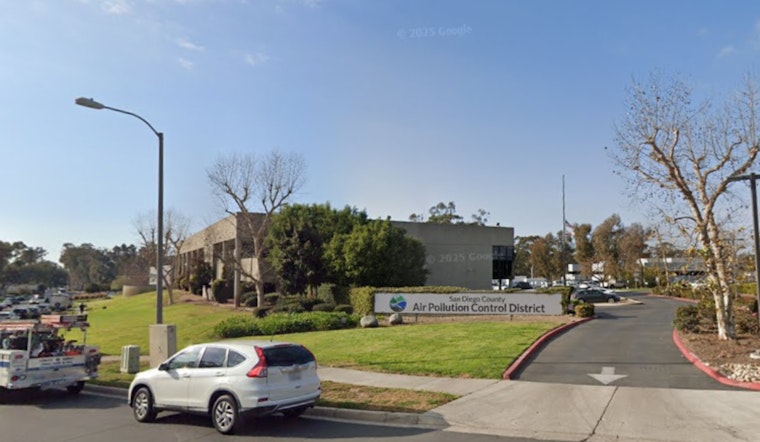
San Diego's South Bay residents have long contended with the stench of hydrogen sulfide emanating from the Tijuana River, a pungent reminder of cross-border pollution that continues to affect the area. This 'rotten egg' odor, a byproduct of untreated sewage dumped into the river valley, has triggered another odor advisory from the San Diego County Air Pollution Control District (SDAPCD). As reported by SDAPCD, average Hydrogen Sulfide (H₂S) levels at a local monitoring station hovered between 78 and 150 ppB in the early morning hours, well above the 30 parts per billion threshold deemed safe for sensitive groups.
Due to these elevated levels, sensitive individuals may be at risk of experiencing headaches, nausea, throat irritation, and other acute symptoms, exacerbated by wind and weather patterns, which can further disperse the noxious gas throughout the community. Officials have advised locals to stay informed by checking current H₂S levels on the SDAPCD website. Those most grievously impacted, particularly in areas near the river valley, might qualify for a free home air purifier through the county's Air Improvement Relief Effort Program (AIRE), a potential salve for residents seeking respite from the ongoing crisis, according to the FOX 5 San Diego news report.
The problem isn't new, but it's a persistent scourge on local livability. The Tijuana River sewage crisis – straddling environmental boundaries and health jurisdictions – has engendered decades of political dialogue that thus far has yielded more words than solutions. The continued monitoring and advisories from SDAPCD mark ongoing efforts to assist residents living in this challenging situation, while the cross-border nature of the issue complicates resolution and provides a stark example of how pollution eschews man-made lines.
Amid this backdrop, the SDAPCD advises residents to limit outdoor activities and create cleaner air spaces within their homes until current conditions change, which may ameliorate the situation. Such measures, like running HVAC systems before business hours and possibly seeking medical attention if symptoms persist or worsen, are part of a broader effort to mitigate against immediate health risks. Most notably, H₂S, despite being quickly metabolized by the body, can still prompt various physical reactions, making proactive and preventable actions a cornerstone of the public health response, as highlighted by San Diego County officials.
The advisory is slated to remain in effect until 5 PM on the given day, with reassessments contingent upon meteorological shifts.