

























































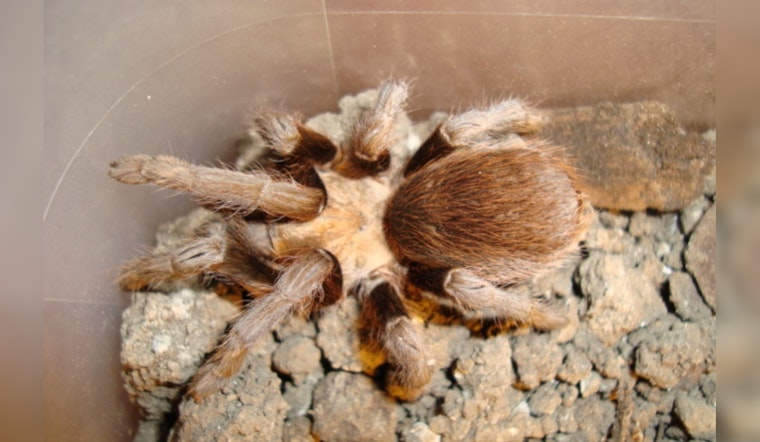
Summer in Central Texas heralds the arrival of the tarantula population. According to KSAT, it's mating season for these eight-legged creatures, and residents might encounter them more frequently as they venture out in search of mates. The Texas Parks and Wildlife Department advises that while their appearance might startle, these arachnids are largely harmless to humans, their bite delivering no more than a bee sting’s worth of venom.
KVUE reports that during this period, the Texas Brown Tarantula, one of 14 species inhabiting the area, was the most prevalent. Found predominantly in the Southern U.S., these creatures are accustomed to desert or grassland homes, burrowing in dens or holes. Mating season generally lasts from May to July, and while the sight of these hairy spiders might be unsettling, they play a crucial role in controlling pest populations by preying on crickets, grasshoppers, and other insects.
When it comes to their lifespans, there’s a marked disparity between genders. While female tarantulas can go on to live for over 25 years, males often survive just a few months after reaching maturity. In terms of reproduction, females may lay impressive clutches of 100 to 1,000 eggs, with spiderlings typically hatching in July or later in the year.
For those living in areas where tarantulas are common, Texas Parks and Wildlife Department suggests a coexistence with these mostly placid creatures. Their presence, while occasionally alarming, is transient and natural. Should you encounter one, it’s recommended to give them space and to remember their critical role in local ecosystems.





