

























































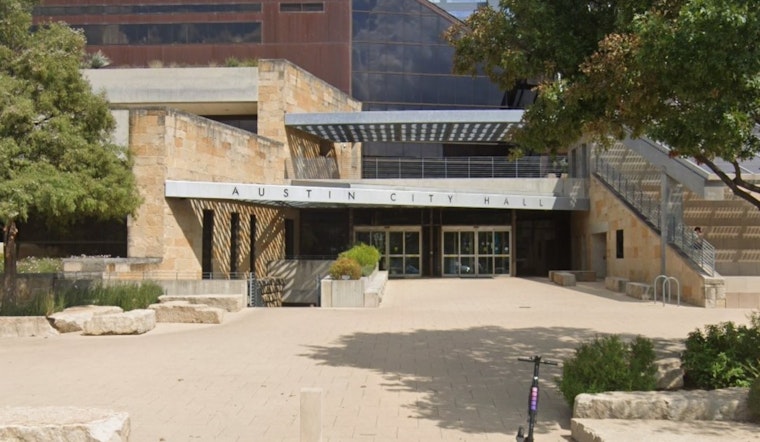
The Austin City Council has given the green light to an unprecedented $5.9 billion budget for the fiscal year 2024-25, ushering in a series of investments ranging from housing assistance to cultural preservation initiatives. In the vote, a lopsided tally of 10 to one, Council Member Mackenzie Kelly stood alone in opposition, citing the rising cost of living as a barrier to sanctioning elevated property taxes. "I cannot, in good conscience, vote yes on such a large budget, given the cost-of-living crisis that Austinites face and the many glaring inefficiencies presented," Kelly said in a written statement obtained by CBS Austin.
The budget, which is set to kick off in October, includes a property tax hike of 5.7%, translating to an annual increase of roughly $188 for the average Austin homeowner, as reported by CBS Austin. City Manager T.C. Broadnax reflected a sense of cautious optimism looking ahead. "I'm looking forward, oddly, to next year's budget," Broadnax told CBS Austin. "But working again throughout this year to begin to craft that and understanding that we do have some challenges ahead of us."
Among the budget highlights are substantial allocations for housing and city services. This ranges from $3.6 million for the "I Belong Austin" tenant stabilization and eviction assistance program to $121.2 million for long-term affordable housing projects. Additionally, there's a planned capital injection of $2.2 million to enhance several cultural districts, including the African American Cultural Heritage District and East Cesar Chavez District, according to details from FOX 7 Austin.
Touching on matters of public health and legal challenges, Council Member Vanessa Fuentes championed an amendment that sets aside $400,000 for a Reproductive Health grant to aid women seeking abortions out of state, skirting Texas' restrictions on public dollars funding abortions. "What we approved today has some really incredible investments in our community," Fuentes remarked in an interview with CBS Austin. However, this move could draw legal scrutiny from Texas Republicans and the Office of the Attorney General. Meanwhile, additional resources are directed to services, with nearly $200,000 to support the launch of a website tool for multi-language translation, ensuring accessibility for a diverse populace.
Moving toward the underserved, the City Council underscored its commitment to investments in rapid rehousing and permanent solutions for Austin's unsheltered population. Eli Cortez, a community organizer at Vocal-TX, which lobbied for these funds, told CBS Austin, "These dollars are going to make a very big difference in the people who are trying to seek housing and support and services in our city." In this way, the budget is crafted as not just a financial document but also as a reflection of the values, and perhaps the aspirations, of a community endeavoring to reconcile growth with equity.





