

























































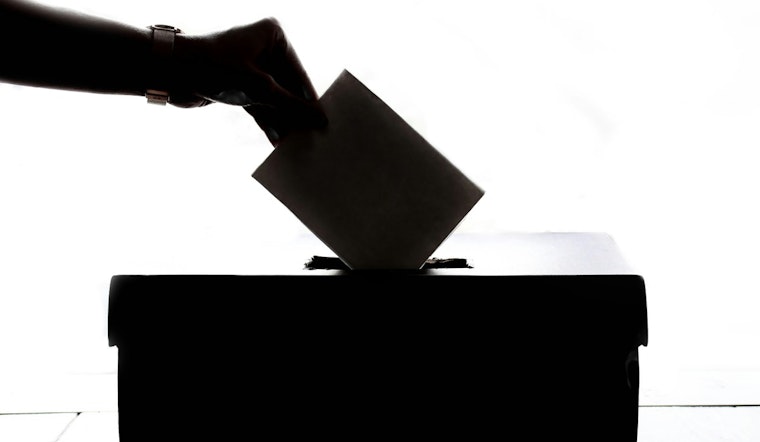
In a decisive movement towards inclusivity, the U.S. Attorney's Office for the District of Nevada has hammered out an agreement with the Washoe County Board of Commissioners aimed at ensuring voting is accessible to everyone, specifically those with disabilities. Announced last Friday, the arrangement came in response to a compliance review turning up multiple physical barriers at Washoe County polling sites that could hinder voters who require accommodation. According to a statement from the U.S. Attorney's Office, the agreement will adhere through the 2026 and 2028 election cycles, underscoring a long-term commitment to accessibility.
During the June 2024 Nevada primaries, with surveys conducted across 10 polling locations in Washoe County by the United States, a variety of issues were unearthed. These included inaccessible voting machines and facilities presenting a range of barriers. Sue Fahami, First Assistant United States Attorney for the District of Nevada, emphasized "the rights of voters with disabilities to cast their ballot in person, privately, independently and without barriers." Her remarks reflected a broader recognition of the civic bedrock that is unobstructed access to the ballot, U.S. Attorney's Office.
Under the new agreement, Washoe County will be responsible for ushering in improved training for poll workers that underscores the county's obligations under the Americans with Disabilities Act (ADA). Furthermore, an accessibility expert will be called upon to ensure technical assistance, while an evaluation form grounded in ADA architectural standards will be used to vet both current and future polling places for ADA compliance. This check for barriers will be a continual effort throughout the term of the agreement, ensuring ongoing corrective action rather than a one-time fix.
In selecting future polling sites, Washoe County, seeking ADA accessible locations will be a priority, clearly reflecting not just a reaction to past shortcomings but a proactive stance to foster inclusivity. As reported by the U.S. Attorney's Office, the Department of Justice's ADA Voting Initiative is behind this push, advocating for the rights of individuals with disabilities nationwide and favoring collaboration to ramp up accessibility at polling places.
Assistant United States Attorney Ednin D. Martinez is the one tasked with this case's handling, indicating both the legal gravity and hands-on approach being adopted. This legal pivot to expand access is not merely a compliance exercise but a signal of the United States' deeper commitment to upholding the franchise for every citizen. Disability, in a nation that aspires to the egalitarian, should not diminish one's voice at the polls. Symptoms of discrimination, once presented to civil rights authorities, can be reported at www.civilrights.justice.gov, ensuring that channels of accountability remain open and accessible themselves. For those seeking more information on the ADA, resources are available through a toll-free line at 1-800-514-0301 (TTY 1-833-610-1264) or the website at www.ada.gov.





