

























































Texas has outstripped other states by becoming the leader in housing top-tier research universities. A report by the American Council on Education and the Carnegie Foundation for the Advancement of Teaching now identifies 16 Texas institutions as Tier 1, surpassing California with 14 and New York with 12. These classifications are based on specific criteria such as a minimum of $50 million in research spending and the award of at least 70 research doctorates on average per year, according to information provided by CBS Austin.
This surge, which places Texas at the forefront of educational excellence, is linked to several strategic decisions. Since Governor Greg Abbott's tenure began in 2015, the state has aimed to boost its number of R1 universities, a goal seemingly realized with significant investment and policy support. “This legislative session, Texas must work to make college more affordable, expand cutting-edge university research, and simplify our admissions process, while growing career and technical education programs,” stated Governor’s press secretary Andrew Mahaleris, as told to the KVUE.
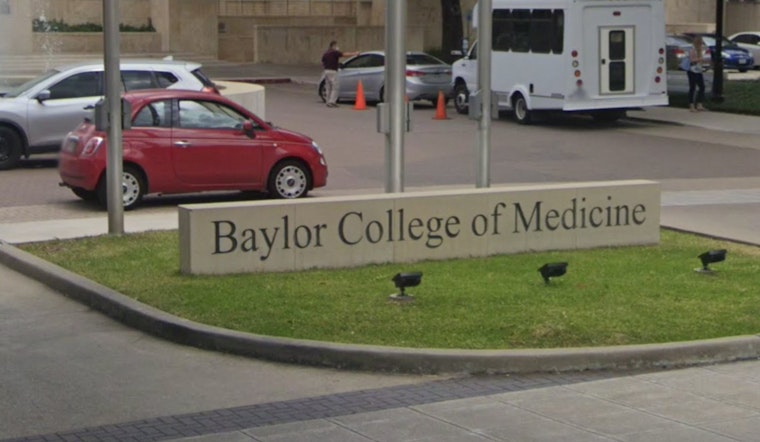
Among the new additions to Tier 1 status are prestigious institutions such as the Baylor College of Medicine and Southern Methodist University (SMU). SMU, in particular, has showcased a formidable commitment to research, with an average expenditure of $53 million on research and 132 research doctorates awarded annually between 2021 and 2023. This achievement has been attributed to a focus on areas like supercomputing and data science, and significant philanthropic contributions that have supported the creation of graduate studies and research programs, as explained by the CBS Austin report.
Despite the accolades, the academic environment remains challenging due to external pressures. Texas universities recently faced threats of substantial federal funding cuts for biomedical research and have grappled with legislative actions that challenge institutional autonomy, such as a bill concerned with diversity training bans. Even so, Shreekanth Mandayam from Texas State University, which remains a Tier 2 institution, expressed confidence in the state's support through mechanisms like the Texas University Fund. "I think what is happening federally is in my view, a reset of investments and we should make our investments in research more efficient like everything else," Mandayam told the KVUE.
On the journey to R1 distinction, Texas State University plans to increase its PhD programs and has made considerable investments in scholarships for PhD students. These efforts have already borne fruit, as the institution recently celebrated graduating 72 doctoral students within the past year. With sustained repetition of this success, the university's aspirations to reach Tier 1 status appear well within reach, a narrative shared by Mandayam in a conversation with the KVUE.
Texas' standing as an educational powerhouse is further evidenced by four additional institutions reaching Tier 2 status, including Abilene Christian University and the University of Texas Medical Branch at Galveston, according to KVUE. These milestones signal a continued commitment to academic excellence and research innovation in Texas' higher education landscape.



