

























































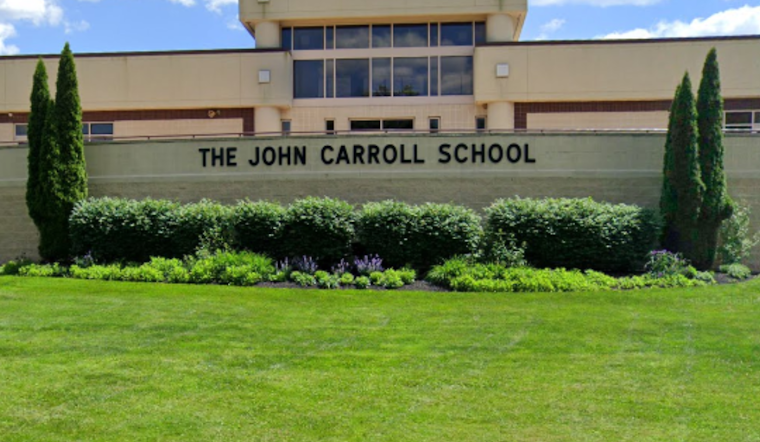
In an annual effort to educate and reflect on a dark chapter in history, the John Carroll School hosted Holocaust Remembrance Day yesterday. During the event, students engaged with survivors, listening to personal stories that conveyed the weight of the past and the importance of tolerance in the present. Marsha Tishler, a Holocaust survivor, recalled her childhood, which was marked by loss and displacement. "Well, my parents lost 33 members of their family, immediate family. My mother was devastated, crying quite often in my memory," Tishler shared in a statement reported by WMAR2 News.
Another survivor, Dr. Charles Heller, also actively shared his experience. Heller survived the Holocaust with his parents but lost 25 family members. His message to the students was clear: know and understand the cruelty faced to prevent its recurrence. "Each time I do this, I just hope that they see what cruelty took place and such things should not happen again," Heller said, as reported by WMAR2 News. The students then had the opportunity to break into smaller groups to discuss and process the harrowing narratives they'd heard.
These personal testimonies come at a time when antisemitism remains high, making the act of remembrance and education increasingly important. The daylong educational program at John Carroll School was designed to honor victims and foster a sense of responsibility towards preserving their history. Marsha Tishler stressed the importance of remembering the "horrors of the Shoah, of the Holocaust," in an interview with WBALTV. The program's goal, beyond memorializing, is to promote tolerance and understanding among students from diverse backgrounds.
With the passage of time and the dwindling number of eyewitnesses to the Holocaust, the preservation of these narratives becomes increasingly crucial. Howard Libit, executive director of the Baltimore Jewish Council, highlighted the need to maintain these stories. Libit has been helping train descendants of survivors to comfortably tell their relatives' stories, ensuring the survival of these essential testimonies. "Help them figure out what questions to ask. If their relatives are still alive, they can do that interview or do research on their personal story, and then, how you frame it, how you tell it, practicing doing it in front of audiences," Libit explained, according to a WBALTV interview.




