

























































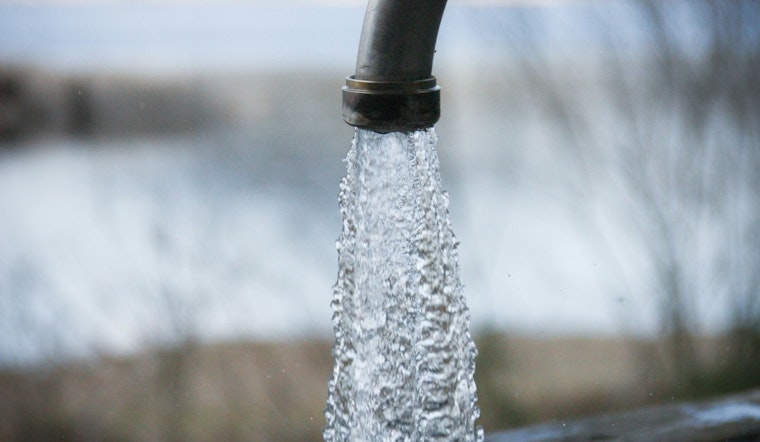
As Round Rock's growth continues, the city is seeking residents' input on their water consumption habits through a new survey, part of the broader Residential End Uses of Water Study backed by The Water Research Foundation, the insights gained here aim to bolster the effectiveness of water management and conservation strategies in the community, and residents have until March 31 to partake in the survey, all with the convenience of completing it online.
The understanding of home water use this survey offers is not merely academic – it's a crucial tool enabling officials to pinpoint high-usage areas that could benefit from targeted conservation measures like promoting water-efficient appliances or shaping behavior to curb wasteful habits, alongside these incentives, the city is weighing upgrades to infrastructure to ensure the system meets future demands, this task grows more pressing as droughts loom and populations swell – but Round Rock isn't standing by idly, no, the city has been proactive in diversifying its water sources, notably through the Brushy Creek Regional Utility Authority which taps into Lake Travis, adding a vital lifeline from the Colorado River basin.
Despite the recent infrastructure developments, water conservation remains a key pillar in Round Rock's strategy, in 2024, the city etched permanent watering restrictions into local policy, limiting outdoor watering to just twice a week, a mandate that holds year-round and not just in response to drought, furthermore, the city sweetens the deal for responsible water use by offering rebates to residents who invest in water-saving fixtures and rainwater harvesting systems – a clear message that every drop counts.
And it's not just about using less water; it's also about smarter uses of the water already in the system, to this end, Round Rock revisited its reclaimed water program, initially launched in 1998, the system has since expanded its network of pipelines and now serves irrigation sites, parks, some businesses too, effectively preserving potable water for where it's most needed, on top of that, to hedge against unforeseen emergencies like power outages, the city installed backup generators at critical facilities, ensuring a relentless flow of water even when the lights go out.
These initiatives are underpinned by a meticulous financial approach, where Round Rock leans primarily on utility revenues – money that comes from water customers and is cycled back into fortifying the water system, this self-sustaining model is supplemented by a tiered water rate structure that both advocates for conservation and funds crucial capacity projects, plus, the city levies water and wastewater impact fees on new developments, thus allowing the very growth that strains resources to also contribute to the solution for managing them.
For more information or to participate in the Residential End Uses of Water Survey, residents can visit the City of Round Rock's website.





