

























































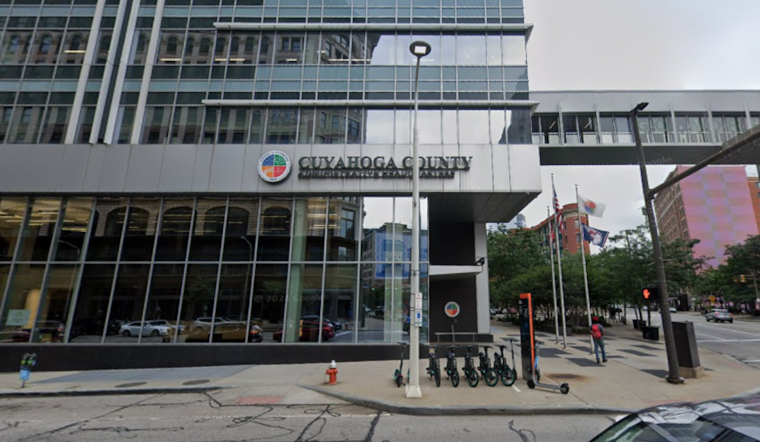
Cuyahoga County is getting a multimillion-dollar boost for its roadways and green spaces, specifically to enhance the safety and accessibility for pedestrians and bicyclists. The State of Ohio has granted the county $2M via its Transportation Alternatives Program (TAP), targeting the improvement of transportation infrastructure. The grant's impact will be seen on a stretch of Clifton Road, connecting Lakewood and Rocky River, and along the U.S. Bike Route 30/230 near Lake Erie, as reported by the Cuyahoga County official website.
The focus, among other upgrades, will involve the Lake–Clifton Connector project, which is designed to enhance the existing infrastructure with a planned 11-foot-wide multi-use path for a span of 1.3 miles that will be roomy enough for bicyclists and pedestrians alike. Major improvements are also set for U.S. Bike Route 30/230, with upgrades intended to improve the experiences of the cyclists who navigate along Lake Erie's edges. "We are grateful for the State’s partnership in our efforts to expand mobility options in Cuyahoga County," Executive Chris Ronayne shared in a statement obtained by Cuyahoga County, emphasizing the anticipated health and economic benefits of such advancements.
Details provided about the greenway's construction hint at a serious commitment to pedestrian-friendly features, including a roundabout to ease traffic flow and colored concrete crossings to enhance visibility. There's also talk of better lighting and new signage aimed at calming traffic. Assessed at a total cost of $10.8M, the Lake–Clifton Connector project will not only rely on state funding but will also tap into municipal finances from Lakewood, Rocky River, and funds from the NOACA's Transportation for Livable Communities Initiative grant.
Alongside the sizable state grants, the City of Lakewood will be benefiting from a nearly $3M investment dedicated to the refinement of Bunts Road. This project aims to lay down new sidewalks, walking paths, and bike lanes for safer and more pleasant local commutes. In addition to roadway resurfacing, the pedestrian and cycling realms are foreseen to be more secure and appealing through the collaborative financial efforts of multiple stakeholders.
Finally, the TAP Program, according to official statements, has a broader reach than just road improvements. Its vision encompasses funding an array of transportation alternatives, such as recreational trails, improvements to public transportation access, and Safe Routes to School projects, among other community improvement activities, ensuring that this grant goes beyond the pavement to potentially foster a transformation in how residents move and interact in their surroundings.





