

























































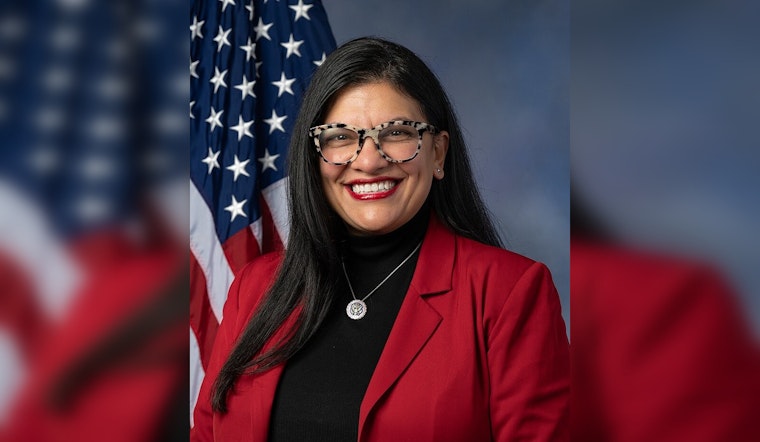
In a move addressing the growing concern over pricing practices in grocery stores, Michigan Congresswoman Rashida Tlaib has introduced a bill targeting what she calls "price gouging" by using advanced technology and customer data to set prices. The bill, known as the "Stop Price Gouging in Grocery Stores Act" or H.R. 4966, was co-signed by representatives from multiple states, including Indiana, Texas, and Wisconsin. According to CBS Detroit, Tlaib emphasized that corporate grocery chains should not be permitted to employ electronic labeling or personal information to hike prices.
The proposed legislation, if passed, would hand the Federal Trade Commission the authority to enforce a ban on what is deemed as price gouging in grocery stores. For instance, a retailer would not be able to charge over 120 percent of an item's average cost over the past six months. Click on Detroit noted that the bill aims to prohibit personalized price gouging and ban electronic shelf labels that can adjust prices within seconds of a customer's actions.
The bill also takes aim at "surveillance-based price setting," a practice wherein companies utilize your online history, past purchases, or location information to set a potentially higher price. Milton Jones, president of the UFCW International Union, backed the bill stating that technologies such as electronic shelf tags pose a significant threat, as the prices could rapidly change by the time an item is taken to the register. "Surveillance pricing" can also lead to discriminatory practices, potentially charging different prices based on data like income, race, or gender, as reported by CBS Detroit.
Meanwhile, differing views emerge on the necessity of such a bill, with Michigan GOP Chair Jim Runestad suggesting that escalated prices are the cost of doing business, not retailer malpractice. As per a FOX 2 Detroit interview, Runestad criticized the approach, stating that instead of addressing symptoms like inflation, policy makers should be examining causes rooted in Democratic policies. Tlaib, however, reinforces her stance, stressing the importance of the same price fairness for all, despite the demographic background, income level, or the color of one's skin.
H.R. 4966 has been referred to the Committee on Energy and Commerce and to the Committee on the Judiciary. The bill's progress through Congress is being closely watched by consumers and industry representatives alike, as it could signal significant changes in the way grocery prices are set and advertised. Multiple attempts to contact representatives from Meijer, Kroger, Walmart, and Target for reaction to the proposed bill remained unsuccessful, as noted by Click on Detroit.





.jpg)