

























































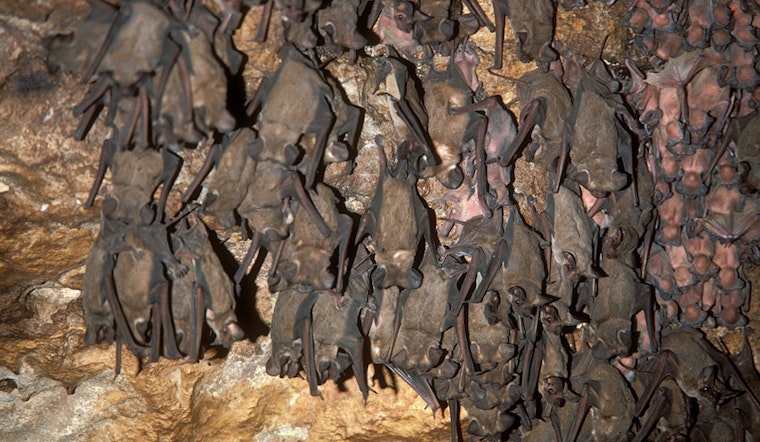
Georgetown residents are on alert after a dead bat found in the neighborhood last week tested positive for rabies. The Williamson County Sheriff's Office confirmed the discovery in a public health notice, stating that the bat was located in the 200 block of Lazy Creek Drive. As reported by CBS Austin, the bat was found at around 11:26 a.m. on Friday and later tested by the Department of State Health Services to definitively confirm the rabies infection.
The Sheriff's office is now urging the community members not to directly handle any bats they might come across. A rabies alert, as detailed by KXAN, aims to raise awareness and to hopefully prevent any possible spread of the disease. "Please be mindful of animals that may carry rabies, including bats," the WCSO said. "Do not handle bats and contact animal control or the health department if you have any concerns," as r
For those worrying about potential exposure, the Williamson County Sheriff’s Office has provided contact information for local resources. Individuals who believe they may have come into physical contact with this bat should reach out to either Williamson County Animal Control at 512-864-8282 (option 1 twice) or the Department of State Health Services' Zoonosis Control at 1-254-778-6744. Prompt medical advice and attention are critical after potential exposure to rabies, a virus that is nearly always fatal once symptoms appear, but is preventable with prompt treatment in advance of symptom onset.
While this incident has put the Georgetown community on high alert, it also serves as an important reminder about the dangers of rabies. The disease is most commonly carried by wild mammals, including bats, raccoons, skunks, and foxes. Given the potentially grave outcome of rabies, the local health authorities continue to educate the public on the importance of immediately seeking help if they suspect an exposure. Such proactive measures can very easily save lives.





