

























































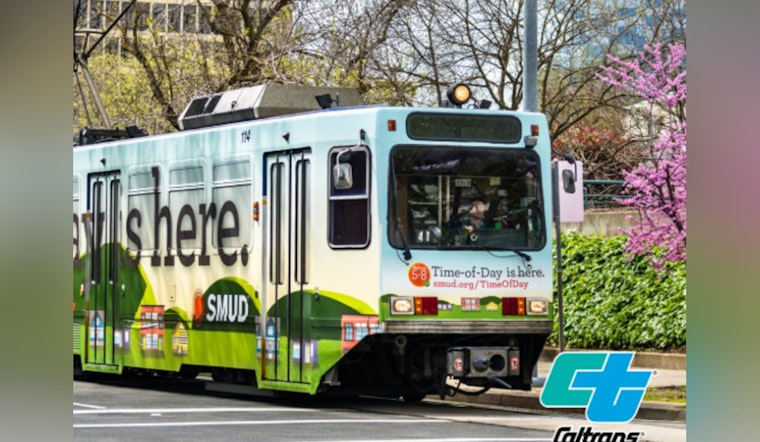
Caltrans on Monday introduced a draft Director’s Transit Policy outlining a statewide plan to make buses and public transit on the State Highway System faster and more reliable, positioning transit as a priority for climate, equity and safety. The policy calls for working with regional partners on performance targets and district-level plans, and if implemented, could bring features like queue-jump lanes and bus-on-shoulder operations where feasible to improve rider travel times and reliability.
What’s In The Director’s Transit Policy
The draft lays out a high-level framework for adding "transit priority facilities" to state routes and for tracking how well transit is performing. According to Caltrans, those facilities can include transit-only or managed lanes, queue-jump lanes, traffic-signal priority, bus bulb-outs and shoulders that buses can use during congested periods.
The Caltrans Office of Transit Planning adds that an implementation plan is in the works to translate the policy into specific projects, with a release expected in summer 2026. District transit plans will steer local priorities along state-owned corridors so the state’s broad policy can be tailored to individual regions.
Why It Matters For Riders And Regions
The timing is not accidental. Regional agencies are already trying to speed up buses and make transit more dependable. In the Bay Area, the Metropolitan Transportation Commission adopted a Transit Priority Policy in January 2026 to cut delays for buses and light rail, according to MTC. The state effort links into California’s climate targets and the Complete Streets law SB 960, which required Caltrans to craft a transit policy that prioritizes transit on state highways, per Sen. Scott Wiener’s office.
Funding, Accessibility And Next Steps
The draft acknowledges that Caltrans will "incorporate costs of the transit activities described above into existing programs, as appropriate," but it does not establish a single, dedicated statewide funding pot. That leaves open the question of who will pay for bus lanes, shelters and signal upgrades when it is time to build.
Transit advocates and local stakeholders pressed Caltrans for clearer accessibility standards and funding paths during the drafting process, according to a comment letter posted by Circulate San Diego. Caltrans says that district transit plans, performance targets and new guidance on permitting and maintenance will shape how and where projects move from policy language to pavement.
For now, the policy is more about expectations than excavators. District plans and the statewide implementation plan are the next milestones, while regional agencies watch to see whether Caltrans backs up the new guidance with funding and staff capacity. Riders and local officials say the real test will come when the policy’s talk of reliability and equity shows up as operating lanes, signal work and safer stops that actually cut minutes off daily trips.





