

























































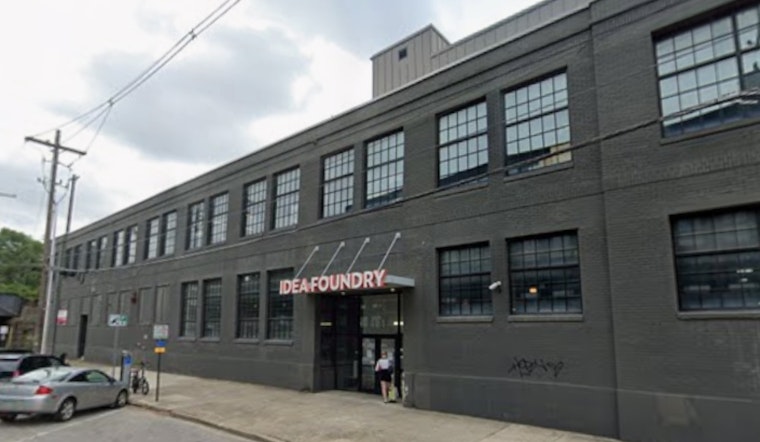
The Columbus Association for the Performing Arts has officially stepped in to run the Idea Foundry in Franklinton, taking over operations after signing a lease with the City of Columbus. The deal was finalized on Thursday, Feb. 19, according to city officials and CAPA representatives. Under the agreement, CAPA will handle day-to-day operations and programming, while the makerspace’s workshops and membership services continue as before.
Deal formalized and what officials say
In a statement to Columbus Underground, CAPA President & CEO Chad Whittington praised the city’s role in brokering the arrangement and said the nonprofit will concentrate on stabilizing operations and making targeted investments. He called the Idea Foundry "a great fit for more nontraditional arts" and stressed that CAPA intends to move deliberately, working alongside makers and neighborhood leaders. The agreement brings to a close months of negotiation between CAPA, the city and Idea Foundry stakeholders.
From garage to Franklinton anchor
The Idea Foundry started in 2008 as a modest garage project led by Alex Bandar and grew into one of the region’s largest makerspaces before relocating to Franklinton. The organization moved into a former factory at 421 W. State Street in 2014 and built out roughly 65,000 square feet of workshop, coworking and event space. That origin story and growth trajectory are laid out in the founder’s profile and organizational materials. Innovation Neighborhoods highlights the Foundry’s role as a hands-on incubator for product developers and artists.
Ownership shuffle and a city intervention
In recent years, ownership of the building changed hands, and when the property was listed for sale in late 2024, the city intervened to keep the site focused on community use. Columbus NextGen, the city’s nonprofit development arm, acquired the property at the end of 2024 to preserve it as civic space, as reported by Columbus Business First. That transfer paved the way for the municipal lease that now allows CAPA to program portions of the building while makers continue to use the workshop areas.
What CAPA says it will do
CAPA officials say the organization plans to test new, community-driven performance work while supporting, not replacing, the existing maker programming. As previously reported, CAPA leaders have discussed programming that leans into immersive and interactive formats and have said they expect to run soft tests before launching sustained shows in 2026. CAPA states that any operational changes will roll out gradually, shaped by neighborhood input and with a focus on preserving the Idea Foundry’s mission. Columbus Underground has detailed CAPA’s early thinking around performance work in the space.
What this means for makers
Idea Foundry leadership and members have maintained that the makerspace will stay central to the building’s identity even as CAPA stages shows elsewhere in the facility. Kaufman Development previously owned the property and documented its purchase along with plans to fold the Foundry into the broader Gravity development, context that helps explain the eventual sale and subsequent city purchase. Kaufman Development and local reporting trace the site’s shift from private ownership to municipal stewardship, and Idea Foundry partners say they expect CAPA’s role to bring stability and fresh investment without displacing current members.





