

























































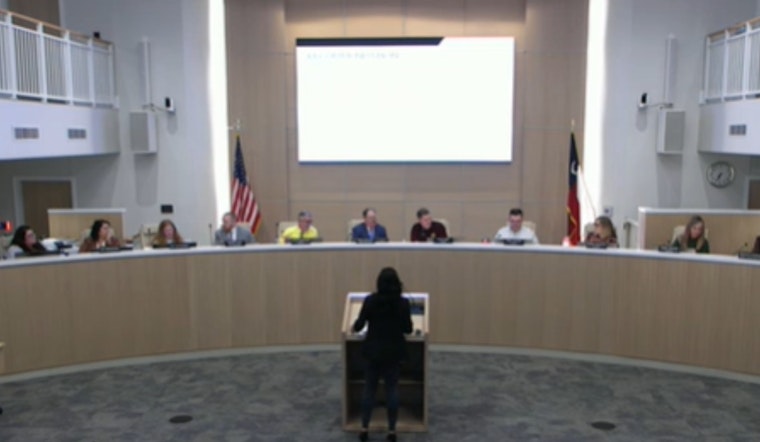
Last Tuesday, Celina City Council quietly staged a major zoning power play, voting unanimously to amend the city’s zoning code so that "heavy industrial" and other high‑risk uses can be added to most nonresidential districts only through a special‑use permit. City leaders described the move as a pre‑emptive step, designed to keep key parcels out of the parts of town that could get swept up by a new state law that expands by‑right multifamily development.
Under the ordinance, presented to council as an SB 840 use‑chart amendment, developers may seek a special‑use permit for heavy or high‑risk industrial activities in agricultural, commercial, office/retail, mixed‑use and industrial zoning districts. Each request will come to the council for a case‑by‑case review, according to records from the City of Celina. Last Tuesday's meeting recording from the City of Celina shows the item passing without dissent.
Why Officials Moved
State lawmakers approved SB 840 to widen where mixed‑use and multifamily housing can be built, requiring qualifying cities to open the door to such projects in many office, commercial and warehouse districts while limiting certain local controls, as outlined by the Texas Legislature. The statute carves out some notable exceptions: zoning classifications that allow heavy industrial use, land within 1,000 feet of existing heavy industrial sites, and land within 3,000 feet of airports or military bases. It took effect Sept. 1, 2025.
Roughly 65,000 people live in Celina today, and both city materials and local coverage point to rapid growth on the horizon. The Celina Economic Development Corp. and recent reporting say the city could approach about 125,000 residents by 2030. City staff told council it is "feasible" that the 2027 legislative session could lower the population threshold that triggers SB 840, a possibility flagged in the city’s report and in coverage by Community Impact.
What It Means For Developers
The new rule does not flat‑out ban apartments in those zones. Instead, it creates a pathway for heavy‑industrial designations through special‑use permits so that, if the city chooses, particular parcels can fall into SB 840’s exemptions. That shifts the conversation from broad, map‑wide rezonings to targeted permit hearings, where council members can weigh safety, odors, noise and other industrial impacts against specific development proposals.
Where SB 840 does apply, it also locks in minimum entitlements for density, building height and parking that cities cannot undercut, according to a legal analysis from Haynes Boone. In other words, if a site falls under the law, Celina cannot quietly dial back those core development rights.
What To Watch Next
Developers who want heavy or high‑risk industrial entitlements will now have to run the gauntlet of council review and potentially public hearings, so residents should expect project‑by‑project debates when those applications surface. The ordinance materials and future agendas will continue to be posted on the municipal portal; full packets and upcoming hearing dates are available on the City of Celina website.
Legal Implications
SB 840 also comes with teeth. Housing groups or other aggrieved parties can take legal action if they believe a city is not complying with the statute, which means code changes like Celina’s could draw courtroom scrutiny if they are challenged. For now, city officials say the special‑use permit structure preserves local discretion while offering a buffer against SB 840’s by‑right rules, but whether that strategy passes muster may ultimately be decided by a judge rather than a council vote.





