

























































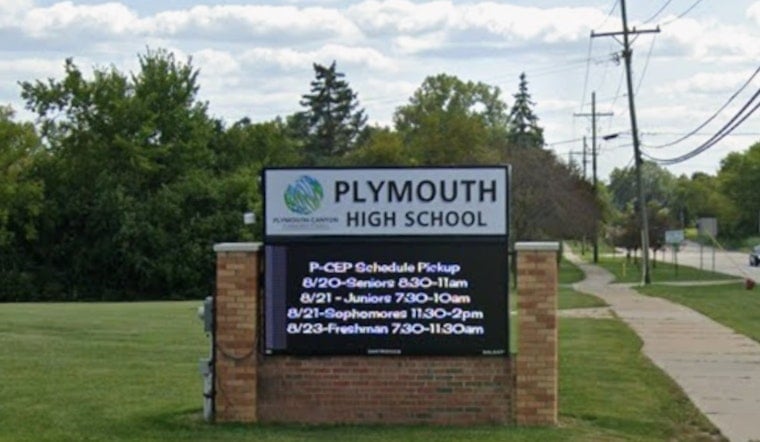
Three men who once attended Plymouth-Canton Educational Park have admitted in federal court that they retrieved and shared nude images of women who had been their high school classmates years earlier. Their guilty pleas in the federal case, which prosecutors say centered on obtaining and circulating private photos without consent, have pulled fresh attention to how image-based abuse is handled by investigators and courts in metro Detroit.
What court records say
According to The Detroit News, court documents describe how the men sought out and distributed intimate images of women who had attended the same schools. The outlet reports that the defendants, all former P-CEP classmates, entered guilty pleas after prosecutors reviewed evidence laid out in the filings.
Local ties and the campus
Plymouth-Canton Educational Park is a three-high-school campus in Canton Township that includes Canton, Plymouth and Salem high schools and serves students from across western Wayne County. The district’s site and campus information describe the Park as a central regional high school complex, and court papers state that the defendants attended P-CEP years before the case surfaced.
State law and penalties
Michigan law makes it a crime to intentionally share sexually explicit visual material of another person without consent when it is done to threaten, coerce or intimidate. According to the Michigan Legislature, the statute is MCL 750.145e, and penalties under MCL 750.145f include misdemeanor fines and jail time, up to 93 days for a first offense and up to one year for subsequent violations.
Broader legal context
Lawmakers have recently expanded protections to cover digitally altered "deepfake" images and created additional civil remedies intended to give victims more ways to seek redress. The Michigan Bar notes that the updates, which took effect in 2025, reflect growing concern about image-based abuse beyond traditional nonconsensual sharing.
Resources for people affected
People affected by nonconsensual image-sharing can reach out to local law enforcement and national support organizations for help preserving evidence and pursuing removal of images. The Cyber Civil Rights Initiative operates a 24/7 Image Abuse Helpline and an online Safety Center that offers step-by-step guidance for victims.





