

























































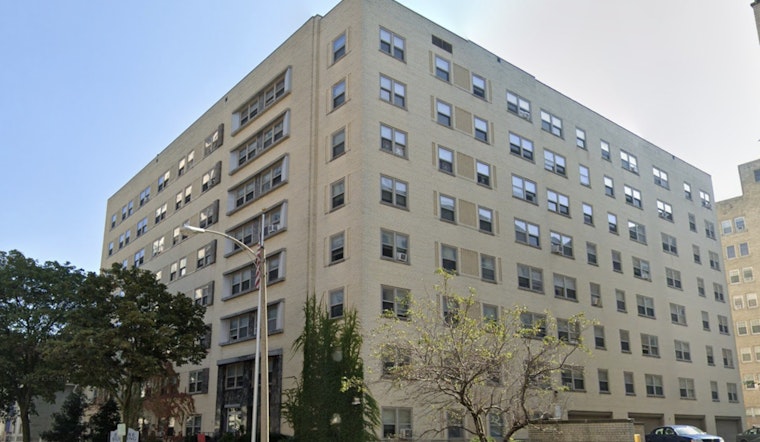
Milwaukee officials, rattled by a partial collapse in a downtown apartment garage in January, are moving to put parking structure owners on a much shorter leash. A Zoning, Neighborhoods & Development Committee has advanced an ordinance that would force owners to hire independent engineers for regular structural inspections and file those reports with the city. The full Common Council is set to take up the proposal next week.
What happened at the Empire Building
On Jan. 7, part of the parking garage floor at the Empire Building, 1041 E. Knapp St., suddenly gave way, sending two vehicles crashing into the basement level below. The driver managed to get out without serious injury. Residents later described seeing sewer water and standing water pooled in the new void as crews worked to remove the cars and stabilize the scene. As reported by WISN, the Milwaukee Fire Department and the Department of Neighborhood Services (DNS) responded to assess both structural integrity and life-safety risks.
Why officials say the floor failed
The Milwaukee Fire Department told reporters that freshly poured concrete placed over an aging garage floor may have played a role in the collapse. CBS58 reported that DNS ordered the owner to obtain a structural engineer's report and that emergency repairs were required to restore heat after a pipe broke. Engineers are now expected to determine whether corrosion, long-term water infiltration or deferred maintenance ultimately caused the failure.
City Hall's oversight plan
Ald. Robert Bauman authored the draft ordinance after talking with parking-industry leaders, and the Zoning, Neighborhoods & Development Committee backed it with a unanimous vote. “No injuries, no loss of life, but it did raise the issue of ‘do we do post-construction inspection of parking structures and parking decks?’” Bauman told colleagues. DNS commercial division manager Jumaane Cheatham told the committee that the January collapse was linked to foundation cracks that had repeatedly taken on water, including salted runoff from winter conditions.
The proposal borrows heavily from Milwaukee's existing facade-inspection program. It would sort parking structures into four categories, set a staggered filing schedule based on the age of the building and the materials in its walls, and require recurring structural checkups at intervals ranging from five to twelve years. Owners would be obligated to submit inspection reports to DNS, as reported by Urban Milwaukee.
How the state fits in
At the Capitol, legislators are already weighing a broader version of the same idea. SB155 would require parking structures across Wisconsin to undergo inspections every five years and would give the Department of Safety and Professional Services enforcement tools to deal with owners who do not comply. The bill text and tracking are posted on LegiScan, and local coverage has outlined proposed penalties and timelines. Milwaukee lawmakers say their local ordinance is meant to move more quickly and to account for the city’s particular climate and aging building stock.
What owners and residents can expect
Residents of the Empire Building have already felt the fallout. With the garage closed, tenants say they are scrambling for street parking and juggling permits and tickets just to get through the week. Neighbors told TMJ4 that losing on-site parking has disrupted daily routines and added new safety concerns.
DNS officials told the committee that they conduct annual life-safety inspections but do not perform routine structural evaluations of garages, a gap that supporters say the new ordinance is designed to close, according to Urban Milwaukee.
Council members cast the measure as a way to catch small structural problems early and to reinforce that owners, not City Hall, are responsible for keeping their garages sound. If the Common Council signs off next week, Milwaukee would join other jurisdictions that have tightened post-construction oversight of aging parking infrastructure.





