

























































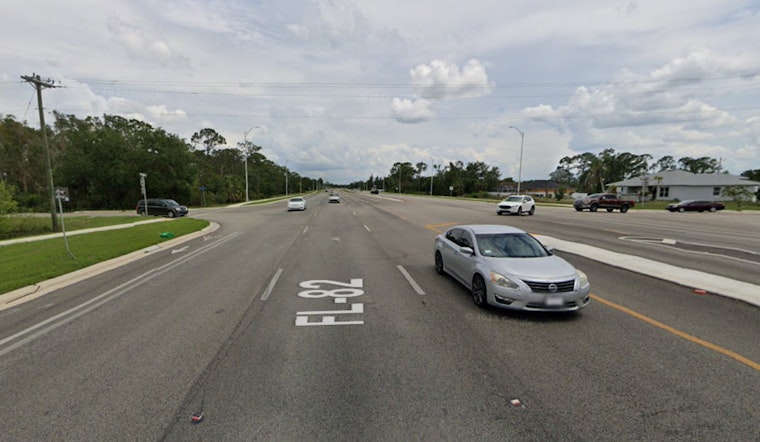
A rare Florida panther was found dead Tuesday morning along a heavily traveled stretch of State Road 82 in Collier County after what wildlife officials say was likely a vehicle strike.
The female cat, identified by researchers as UCFP500, was estimated to be between five and six years old. Her body was found roughly one-third of a mile west of Church Road, according to the Florida Fish and Wildlife Conservation Commission, which confirmed the discovery. Early assessments indicate she probably died after being hit by a car, Tampa Free Press reports.
Biologists say they collect panther remains to monitor the health and movement of the endangered population and to guide ongoing conservation work, Tampa Free Press notes.
Biologists Will Examine The Remains
State biologists plan to take the carcass for a full necropsy to confirm the exact cause of death and to gather data used in long-term panther management.
The Florida Fish and Wildlife Conservation Commission urges anyone who finds an injured, sick or dead panther to call the Wildlife Alert Hotline at 888-404-FWCC. More information about panther reporting and research is available from the FWC.
Roads Remain A Top Threat
Vehicle strikes remain the leading cause of death for Florida panthers, a grim trend conservationists tie to expanding roads and shrinking habitat across South Florida. Wildlife officials are again asking motorists to slow down and stay alert for animals in known panther corridors, particularly along rural highways.
How Residents Can Help
Panther research and emergency response are funded in part through specialty license plates that channel proceeds directly into panther work. Details on how to buy a “Protect the Panther” plate are available from the Fish & Wildlife Foundation of Florida.
The foundation says that purchasing the plate and promptly reporting panther sightings or injuries helps biologists track individual animals and respond more quickly when there is trouble.
FWC biologists plan to release findings from the necropsy once testing is complete, which could reveal whether anything beyond collision trauma played a role in UCFP500’s death. In the meantime, officials continue to stress cautious driving in panther country and immediate reporting of any injured or dead panthers to the Wildlife Alert Hotline.



