

























































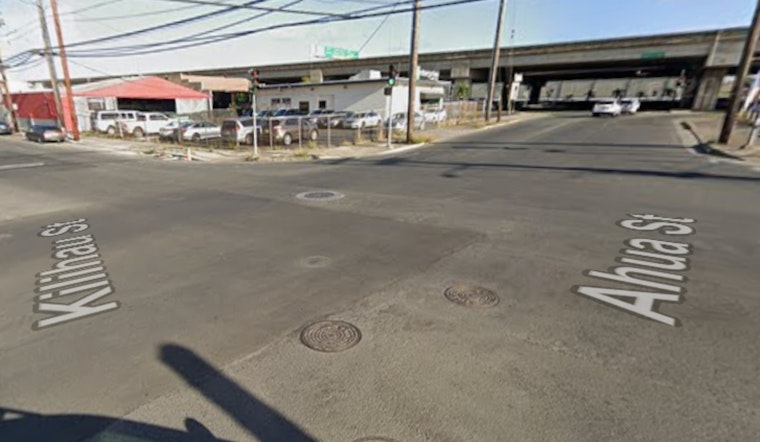
Saltwater flooding continues to plague Mapunapuna, with the industrial intersection at Ahua and Kilihau streets repeatedly going under during high tides and heavy rain, disrupting access to warehouses and daily business operations. At a neighborhood board meeting, longtime chair David Yomes did not mince words, saying, "A couple of months ago, I told the city that Mapunapuna is a dump," while residents pushed for concrete fixes rather than sympathy.
City Chief Resilience Officer Kealoha Fox acknowledged the severity of the problem, stating, "We know it’s absolutely beyond a nuisance at this point and something that’s affecting people’s daily lives and business." Officials noted the Kilihau‑Ahua intersection sits only two‑and‑a‑half to four feet above mean sea level, and raising the road—considered a roughly 50‑year solution—would cost over $40 million, as reported by Hawaii News Now.
Short-term fixes and inspections
City staff highlighted duckbill valves that were installed about 15 years ago to keep tidewater from backing up through the storm drains. Residents countered that the system effectively quit on them once maintenance tapered off. The city told the board it plans more regular upkeep, including a proposal for divers to clean out the valves later this year, and Deputy Planning and Permitting Director Bryan Gallagher said the department is looking at using cameras and rovers for pipe inspections, as reported by Hawaii News Now. Even so, neighbors warned that clearing a few valves will not cut it without broad upgrades to the aging drainage system.
Why Mapunapuna Is Especially Vulnerable
Researchers say Mapunapuna sits in a particularly fragile spot where very low elevation meets sinking ground. A University of Hawaiʻi study found that localized subsidence, driven by compaction of fill and sediments under development, can bring serious flood exposure years earlier than sea‑level‑rise timelines alone would suggest, according to University of Hawaiʻi News. That one‑two punch helps explain how a single intersection can wind up needing expensive, long‑term fixes.
Impact on businesses and next steps
Local reporting shows that businesses in Mapunapuna have been improvising for years, installing thresholds, shifting schedules and stacking sandbags to deal with king tides, and some owners say deliveries and equipment have taken a hit, per Hakai Magazine. City officials say they are taking the complaints seriously and will move ahead with the valve work while continuing to study longer‑range options. The city's Office of Climate Change, Resiliency and Sustainability is coordinating those efforts, per Resilientoahu.org. Neighbors told the board they are looking for clear timelines and real funding commitments, not another round of polite promises.





