

























































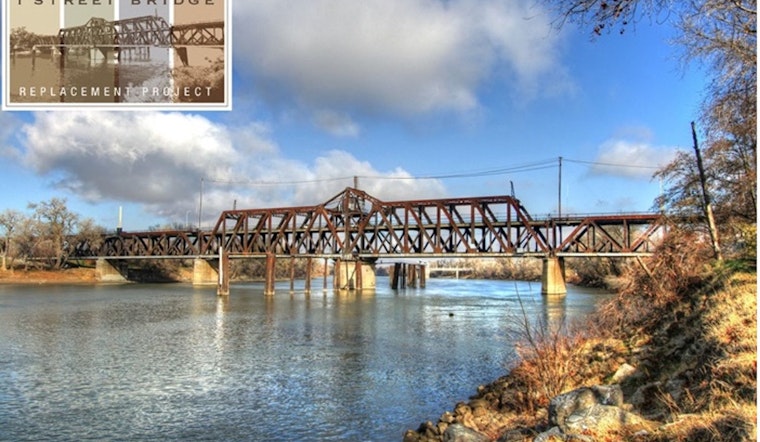
After years of planning, Sacramento’s long-awaited replacement of the century-old I Street Bridge is finally shifting from blueprints to bids. The project has cleared a key hurdle, with bid documents now out for contractors as part of a roughly $300 million effort to deliver a safer, wider river crossing for drivers, cyclists and pedestrians between downtown and West Sacramento.
Procurement underway
The City of Sacramento’s project team has moved the I Street Bridge Replacement into formal advertisement, opening the door for contractors to jump into the competition. The official project page directs bidders to PlanetBids to download bid documents and submit questions, and shares contractor outreach materials from a December 9, 2025 webinar as the city gears up for award and construction mobilization. Officials describe this step as one of the last procedural boxes to check before crews show up on site. For details see City of Sacramento.
Funding and approvals
On the environmental and financing front, the project has already cleared several big milestones. The California environmental record shows a Notice of Determination approved in October 2025 and describes the new structure as an 860-foot bridge with a 330-foot vertical lift center span and buffered bicycle lanes. CEQA carries the technical details along with the formal approval date.
Regional and state partners helped seal the financial side. SACOG highlighted a $25 million award from the California Transportation Commission that, combined with federal and local commitments, pushed the bridge replacement closer to full funding.
What’s next
With the contract now advertised, prospective builders can access the Q&A portal, assemble their proposals and give the city a clear path to award and a notice to proceed. Local coverage of the funding decision and procurement schedule points to an aggressive timeline, with the city aiming for a spring 2026 construction start and industry outlets outlining an anticipated construction period of roughly four years. See coverage from KCRA and ConstructConnect for more on schedule and procurement details.
What it will mean for the riverfront
The new river crossing is designed to tighten the connection between the Sacramento Railyards and West Sacramento with wider travel lanes sized to handle buses and emergency vehicles, along with generous shared paths for people walking and biking. According to environmental filings and city materials, the existing 1912 bridge will stay in service for rail traffic on its lower deck while the upper deck is studied and planned for active-transportation use. Those conversion and mitigation commitments are outlined on the project materials from City of Sacramento.




