

























































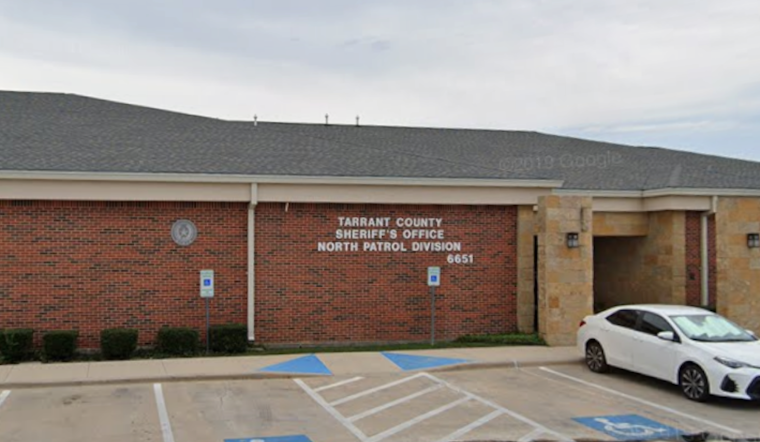
Tarrant County’s latest political brawl is unfolding over immigration enforcement, and nobody is pretending the vote will be quiet. County commissioners are split over a proposal to expand the sheriff’s agreement with U.S. Immigration and Customs Enforcement, yet the measure is still widely expected to pass when it comes up today. Backers argue it will make it easier for deputies to work with federal agents; critics warn it could erode public trust and trigger more street-level enforcement. The clash comes as state and federal moves keep nudging immigration battles onto local courthouse agendas across Texas.
Commissioners are scheduled to vote on whether to expand the sheriff’s contract with ICE so deputies can investigate, arrest and search for undocumented immigrants beyond the county jail, as reported by WFAA. Supporters say the change would close enforcement gaps. Opponents counter that it drags Tarrant County beyond the jail-focused 287(g) model and deeper into federal immigration work. The county was expected to take up the proposal at its Commissioners Court meeting on Tuesday, Feb. 10.
State money is changing the math
A new Sheriff Immigration Law Enforcement Grant Program, launched by the Texas Comptroller, will send eligible sheriffs up to $140,000, based on population, to offset costs tied to 287(g) participation, according to a press release from the Texas Comptroller of Public Accounts. Officials say the grants can cover personnel, training and equipment tied to expanded immigration enforcement. That new money has made expansion proposals more attractive for some county leaders, politically and on the budget sheet.
What the expansion would change
Under the current jail-enforcement 287(g) model, immigration screening usually happens after someone is booked into jail. Expanding the agreement would allow deputized officers to carry out certain enforcement and warrant-service work outside jail settings. Local reporting notes that Tarrant County has had a formal partnership with ICE since 2017 and renewed it in 2020, and that moving beyond the jail-only model would change where and how residents encounter federal immigration enforcement, per the Fort Worth Report. Advocates on both sides say those operational details matter, especially for public safety and civil liberties concerns.
How the commissioners lined up
Commissioner Matt Krause told reporters he supports expanding the partnership and called it “a net benefit” for Tarrant County. Commissioner Alisa Simmons took the opposite view, pointing to recent jail escapes and what she described as 76 deaths in custody, according to WFAA. Simmons also cited a public survey she shared with the station that drew 2,676 responses, with 2,541 opposed to the expansion and 135 in favor, and said she still expects the measure to pass despite the pushback.
The coverage notes the proposed plan would pay deputies assisting ICE about $64.64 an hour, with part of that work supported by a roughly $100,000 federal grant. Supporters say that compensation reflects the risk and complexity of the job. Detractors see it as another incentive for the county to lean into federal immigration work at the expense of community trust.
Community reaction and national context
Immigrant-rights groups, faith leaders and some elected officials have already mobilized against the expansion, organizing rallies and news conferences to denounce deeper local cooperation with ICE. Their concerns are playing out against a charged national backdrop. The fatal shooting of a Minneapolis resident by an ICE agent in January and large protests over a proposed mega-detention center in Hutchins have further heightened sensitivities around enforcement moves, as reported by The Guardian and The Dallas Morning News. Local advocates warn that giving deputies a larger immigration role could discourage people from reporting crimes and could fuel more protests in the streets.
What to watch next: the Commissioners Court vote Tuesday and any last-minute amendments that might narrow the program or build in added oversight. If the expansion passes, county officials say they will monitor how deputies work with ICE. Civil-rights groups and community leaders say they will be watching just as closely and are ready to press for transparency and legal remedies. However, the roll call shakes out, the outcome is likely to ripple well beyond the courthouse, with oversight fights, demonstrations and potential legal challenges shaping what comes next.





