

























































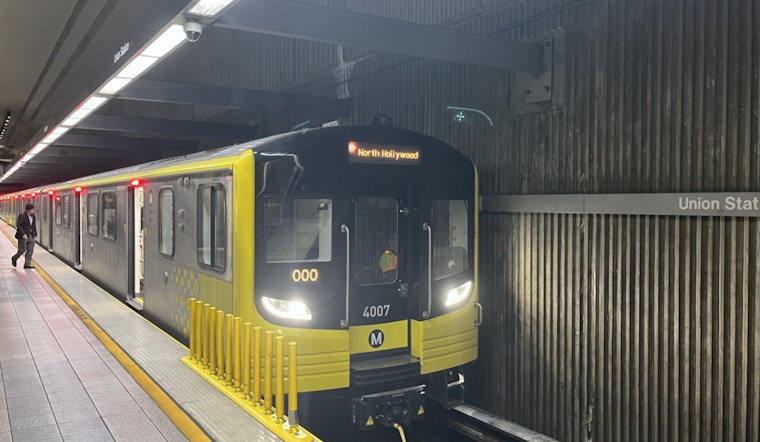
Los Angeles is tired of crawling over the Sepulveda Pass, so it is going under it instead. On Jan. 22, 2026, the L.A. County Metro board signed off on a fully subway through the pass, picking a Locally Preferred Alternative that leans hard into rail instead of more asphalt.
The plan centers on a tunneled, automated heavy-rail line that would link the San Fernando Valley to the Westside and, if it works as advertised, pull riders off the famously gridlocked I-405. The board approved what Metro staff labeled Modified Alternative 5, according to LA Metro. National coverage framed the move as a sharp turn for a city long defined by freeways, with Bloomberg’s CityLab dubbing it “LA’s radical fix for freeway traffic” in a Feb. 17 newsletter. Project supporters say the goal is simple but ambitious: give commuters a faster, more reliable option than the 405 and plug the new line into the existing Metro network.
How the subway would unclog the 405
Metro’s pitch leans heavily on speed and frequency. Planners are talking about driverless trains running roughly every 2.5 minutes during peak hours and end-to-end trips clocking in under 18 to 20 minutes, a massive upgrade over rush-hour drives that can stretch from 40 to 80 minutes, according to Urbanize LA.
Transit advocates argue those numbers are the whole ballgame. A subway that reliably beats the car on both time and predictability is the only thing likely to shift tens of thousands of daily trips off the I-405, as reported by Streetsblog LA. Without that edge, critics warn, the line risks becoming another underused piece of infrastructure instead of the region’s pressure valve.
What’s next and the price tag
Choosing an LPA is just the opening move. With a preferred route in hand, Metro now heads into environmental review, design refinement and the hunt for federal grants, a sequence that will take years and demand substantial new funding.
Earlier engineering work and industry coverage have pegged similar underground concepts in the tens of billions of dollars, with one past version of the project estimated in the low-to-mid $20 billion range, according to Mass Transit. Private consortia and project boosters are already lining up potential partnerships, even as Metro officials stress that the line is likely to be built in phases rather than all at once, per Sepulveda Transit Corridor Partners.
Local reaction and politics
Backers wasted no time calling the vote a once-in-a-generation shift in how L.A. moves. "This is a generational investment in the future of Los Angeles County," Supervisor Lindsey Horvath said in a county statement, and Metro leaders have pitched the project as a way to slash travel times and cut pollution.
Not everyone is cheering. Skeptics grilled the board over the eye-watering costs, the disruption that years of tunneling could bring and how long residents will have to wait before a single train runs. Observers also pointed out that the same meeting advanced pieces of freeway and interchange work, a reminder that even as officials talk about shifting dollars from roads to rails, the politics of actually doing that remain complicated, as covered by Streetsblog LA and in local statements.
The LPA decision does not magically deliver trains beneath the pass, but it does firmly plant L.A.’s long-term congestion strategy on the side of big, slow-cooking transit projects rather than yet another lane on the 405. The real test now shifts to the long grind of engineering, community outreach and grant chasing, which will decide whether the Sepulveda subway becomes the region’s escape hatch from gridlock or just another ambitious plan stuck on paper.





.png)