

























































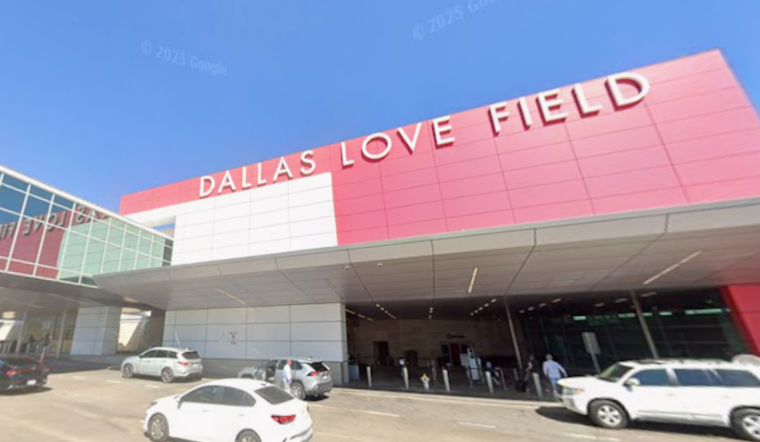
Dallas is gearing up for the biggest makeover in Love Field’s history, a multi-year rebuild pegged at roughly $2.5 billion that city leaders say could eventually set the stage for a fresh debate over how many gates the close-in airport is allowed to have. The overhaul is pitched as a fix for chronic crowding, messy curbside traffic, and aging baggage operations inside the compact terminal that millions of travelers squeeze through every year.
What the plan would include
The Love Field Expansion Airport Program, or LEAP, bundles 14 separate projects into one sweeping rebuild. The wish list includes a new terminal headhouse where Garage A now stands, a concourse widened by about 50 feet, new parking structures, a consolidated rental car center, and a major rework of curb access. City officials say the effort also folds in upgraded security and baggage facilities, plus behind-the-scenes relocations meant to speed aircraft turns and boost resiliency, according to City of Dallas materials.
Price tag and the gate question
Dallas Business Journal reporting puts the early cost estimate for LEAP near $2.5 billion and notes that city officials are already bracing for long-term options that could include more gates. If that figure holds, this would be the largest capital improvement effort Love Field has ever seen, a serious reset for an airport that was almost given up for dead when DFW opened.
Capacity goals vs. the gate cap
Planners say the whole point is to squeeze far more capacity out of the footprint Love Field already has. Their target is roughly a 50 percent jump in passenger throughput by reshaping ticketing halls, hold rooms, and security chokepoints instead of simply adding more places to park planes. That strategy runs straight into a hard legal ceiling: Love Field is capped at 20 gates, a limit that sits at the center of every conversation about expansion, according to The Dallas Morning News.
Why adding gates is complicated
The 20-gate cap traces back to the regional peace deal that accompanied repeal of the Wright Amendment and was locked into the Five-Party Agreement. That framework still governs how many gates Love Field can legally operate. Changing it would mean getting multiple cities, the DFW Airport board, and major airlines back to the table or persuading Congress to tweak the original settlement, according to the congressional record on Congress.gov.
Money and the math
City leaders say they are still working through whether LEAP’s full wish list pencils out, although airlines have already agreed to shoulder part of the cost, with earlier reports pegging their share at about $800 million. Independent local coverage has floated differing overall price tags, with one outlet putting the package near $2.3 billion and another reporting suggesting it could land closer to $2.5 billion, underscoring that the scope and financing plan are still in flux, per CandysDirt.
Timeline and next steps
City briefings lay out a long runway for the project. Design work is slated to start in 2026, with phased construction potentially kicking off in 2027 and some elements stretching toward the end of the decade. The plan is to build LEAP in stages so the airport stays operational, and to lock in specific financing tools only after design work clarifies the final scope, according to City of Dallas planning documents and council presentations.
What travelers and neighbors should expect
Officials say the early phases will tackle the everyday headaches first: curbside congestion, access roads, and parking. The idea is to clear out those pinch points before construction crews wade into the heart of the terminal. On the neighborhood side, the city has been working through its Good Neighbor Program and hosting public open houses to talk traffic, noise, and quality-of-life issues as Love Field grows. Hoodline indicates that local meetings have already been held to gather feedback.
Plenty of big questions are still hanging in the air. The final price, the mix of bonds, passenger facility charges, and airline money, and whether the Five-Party Agreement or Congress will have to sign off before any gate changes, all remain unsettled. For now, Dallas and its airline partners are grinding through design work, community outreach, and financial modeling while the rest of the region watches to see whether Love Field can bulk up without losing the convenience that made it a favorite in the first place.




