

























































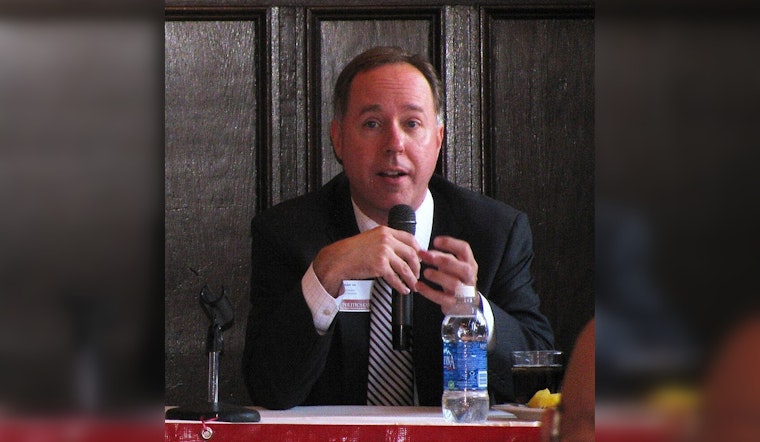
Republican leaders at the Capitol are racing the clock on a new plan to unload a big chunk of Wisconsin's projected budget surplus, pitching it as a fast, no-fuss tax break for residents. Assembly Speaker Robin Vos and Senate Majority Leader Devin LeMahieu on Tuesday rolled out a roughly $2.3 billion package that mixes one-time income tax rebates with beefed-up property tax relief for schools and targeted special education funding. Gov. Tony Evers, however, has been clear that any bipartisan deal also needs to boost general school aid, which is exactly what the GOP plan leaves out.
What's In The GOP Proposal
Under the outline circulated by Republican leaders, the state would cut one-time checks of $500 for individual filers and $1,000 for married joint filers, a move that would cost about $1.5 billion in the 2026-27 budget year. On top of that, the proposal would steer roughly $500 million into the school levy tax credit and set aside $200 million to strengthen special education reimbursements, with dollars aimed at raising the reimbursement rate in 2026 and 2027. All of those figures, along with the structure of the package, were detailed by Wisconsin Examiner.
How Much Money We're Talking About
The spending spree is anchored in fresh estimates from the Legislative Fiscal Bureau, which now pegs the state's available surplus at nearly $2.5 billion by June 30, 2027. That is the pot lawmakers are eyeing as they sketch out rival plans. The revised numbers triggered a flurry of ideas: Senate Republicans floated a rebate bill worth about $1.5 billion, while GOP leaders assembled the larger $2.3 billion package. The updated projections and the competing proposals were laid out by Wisconsin Public Radio.
Where Gov. Evers Fits In
Evers is not exactly sitting on the sidelines. In recent talks, he put forward his own offer that included about $200 million for special education and roughly $450 million in general school aid, all wrapped into a separate $1.3 billion package. Republicans came back with their rebate-and-levy-credit approach, arguing it would get money into taxpayers' hands more quickly while still boosting special education reimbursements. The governor's earlier email proposal was reviewed by WisPolitics, and local coverage notes that his office has not yet taken a deep dive into the GOP leaders' latest $2.3 billion outline, according to Urban Milwaukee.
Politics, Deadline And What Comes Next
All of this is playing out against a looming calendar that Republicans say works in their favor. Vos has repeatedly argued that tight timelines force lawmakers to stop posturing and start voting. “Deadlines are what make politicians act,” he told reporters, pointing to the Assembly's final scheduled floor session this week. GOP leaders say they have sent the framework to the governor and want bill language ready for quick votes, but the Senate has signaled it will not sign off on anything that fails to address the so-called 400-year veto. Those political crosscurrents and the timing pressure were described by The Center Square.
Education Groups Push Back
Public school advocates are far from thrilled with the shape of the GOP plan. They warn that channeling one-time cash into the school levy tax credit may trim homeowners' property tax bills, but it does not add a single dollar to districts' operating revenue. Critics argue that leaves classrooms squeezed while politicians brag about tax relief. The Wisconsin Public Education Network labeled the focus on levy credits instead of general school aid “irresponsible and unacceptable,” according to Wisconsin Examiner.
For now, Vos and LeMahieu are pitching the $2.3 billion package as a middle ground meant to return money quickly while checking a few education boxes. Whether that spin sticks depends on two big ifs: if Evers is willing to live with the tradeoffs and if both chambers can actually move a bill before the Assembly wraps up its work. Lawmakers could advance pieces of the plan this week, but any final deal would still have to clear both houses and win the governor's signature before any rebate checks show up in mailboxes, per WisPolitics.





.jpg)