

























































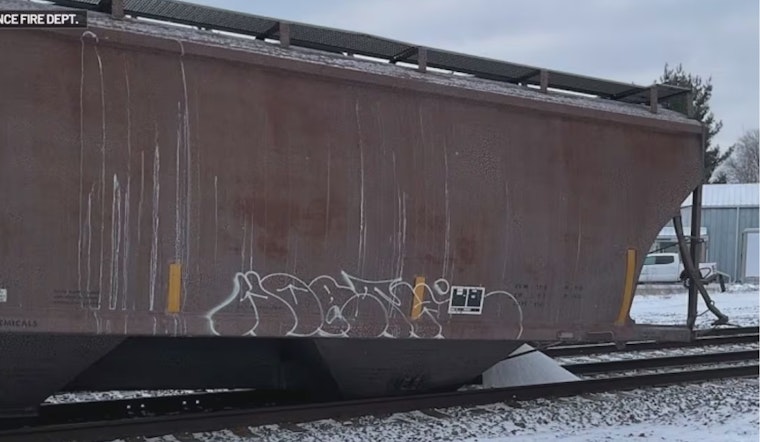
A one-car Norfolk Southern derailment in Alliance, Ohio, turned a routine Tuesday morning into a traffic headache and an instant talking point in a national rail safety brawl.
The freight train left the tracks near North Park Avenue and East Keystone Street, knocking a single car off the rails and shutting several city crossings for hours. Shipping papers showed the car held a small amount of dry, non-hazardous product that never left railroad property, according to the Alliance Fire Department, and no one was hurt. While crews worked to get the car back on the rails and inspect the track, the Ohio Department of Transportation set up detours and local police scrambled to keep traffic moving.
What happened in Alliance
Firefighters were called out before 9:30 a.m., and city officials told residents to brace for mid-day delays while recovery teams cleared the scene and checked the tracks. State Route 225 and U.S. 62 were temporarily signed for detours, with northbound drivers urged to find alternate crossings. Those details were shared by the Alliance Fire Department and reported by WOIO.
Senators reintroduce Railway Safety Act
While Alliance dealt with blocked crossings, the fight over how to prevent bigger wrecks flared back up on Capitol Hill.
On Tuesday, a bipartisan group of senators reintroduced the Railway Safety Act of 2026. The package would require wayside defect detectors, set a minimum two-person crew standard for Class I freight trains, broaden hazardous-materials designations, and hike civil penalties for safety violations. Sponsors have pitched the bill as a data-focused response to recent high-profile derailments and a way to force adoption of technologies they argue could stop similar incidents before they start, as reported by Trains.
Why lawmakers want mandates
Federal investigators tied the 2023 East Palestine derailment to an overheated wheel bearing and gaps in detector coverage. The National Transportation Safety Board urged stronger oversight and better placement of wayside detection systems. Those findings sit at the heart of lawmakers' argument that voluntary upgrades are not cutting it, according to the NTSB.
Norfolk Southern pushes new tech - and a safety story
Norfolk Southern, for its part, has been telling investors it is already moving on safety. The railroad has highlighted new digital train inspection portals, more hot-bearing detectors and acoustic sensors, and a reduction in reportable mainline accident rates as proof it is investing in prevention. Trade reporting and local business coverage have framed those moves as part of the company's pitch to both shareholders and federal regulators, according to the Atlanta Business Chronicle.
Industry reaction
Reaction to the revived safety bill has followed familiar lines.
Rail labor unions and community groups cheered the reintroduction as a long-overdue step to lock in protections, while industry trade groups warned that one-size-fits-all federal rules could snarl service or drive up costs. Coverage of the new measure captured both union support and cautionary notes from the Association of American Railroads, highlighting how the clash between mandates and voluntary upgrades is shaping up on a national stage, as noted by Trains.
What comes next
Sponsors say they plan to push the Railway Safety Act of 2026 through committee and will fight for provisions that speed up detector deployment and tighten hazardous-materials rules. Whether the bill can actually clear the Senate, or what the final language might look like if it does, is still very much an open question.
Rail unions and first-responder organizations are pressing lawmakers for quick action and more resources for emergency response, according to a statement from the IAM Rail Division.
On the ground in Alliance, the impact on Tuesday was more basic: blocked crossings, rerouted commutes, and a fresh reminder that even a single-car derailment can ripple through a small city. Whether a minor incident like this nudges Congress toward tougher rules or simply gives the rail industry another chance to tout its tech investments is a question lawmakers, rail executives, and communities will be wrestling with in the months ahead.



