

























































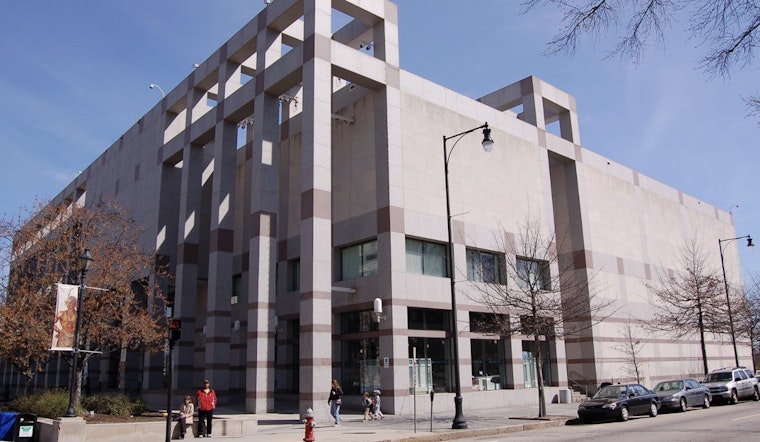
Downtown Raleigh’s longtime destination for Tar Heel history is now closed for a major overhaul. Demolition barriers, scaffolding and construction equipment surround the North Carolina Museum of History as crews begin transforming the landmark into a larger, climate-controlled facility that is not expected to reopen until 2028. The closure has reduced foot traffic along Bicentennial Plaza while workers modify the interior and foundation to expand space and improve long-term preservation of the state’s artifacts.
The renovation will tack on roughly 40,000 square feet, including about 25 percent more gallery room, plus classrooms, community spaces, a new restaurant, upgraded climate systems and improved freight access, according to the N.C. Department of Natural and Cultural Resources. The work is funded by a $180 million appropriation from the General Assembly, and officials say the museum is still on track for a 2028 reopening. That target lines up with the two to three year construction window announced when the building closed in October 2024.
Staff have already hustled the collection out of harm’s way. In an interview with CBS17, marketing specialist Alexa Scattaregia said more than 150,000 artifacts were packed and moved into secure storage before construction began, and that crews have now shifted into active demolition. Regional reporting notes that crews broke ground last August and that the current phase shows visible progress on the building envelope, according to WRAL.
What’s going into the rebuilt galleries
Inside the walls, the overhaul is meant to carve out more flexible exhibit footprints and significantly strengthen environmental controls so fragile objects can stay on display longer, the museum’s FAQ explains. Plans call for shifting the main entrance to the north side of Bicentennial Plaza for smoother access, while finally tackling chronic leaks that have dogged the building. Museum leaders are also folding in new classrooms and community rooms intended to boost statewide programming and make it easier to host events and educational gatherings.
Why the investment matters for Raleigh
“This project is about honoring the trust North Carolinians place in us to care for their history,” C. J. Roberts, director of the Division of State History Museums, said in a statement, according to the N.C. Department of Natural and Cultural Resources. Officials say the upgrades will better shield delicate collections from the elements and equipment failures, while helping the museum keep its role as a cultural anchor as development continues to stack up around Bicentennial Plaza.
How to follow the work
The building might be off limits, but the museum itself is not going quiet. Staff are still rolling out pop-up events, traveling exhibitions and K–12 programming, and the Museum Shop reopened at 108 Glenwood Avenue last September, according to the museum’s public information. For ongoing updates, photos and event listings, see the North Carolina Museum of History online, and for more background on how the project kicked off, check out coverage of the museum’s extensive renovation.





