

























































For the dogs at Chesterfield Square Animal Shelter in South Los Angeles, kennel time has turned into a full-blown lockdown. For three weeks, animals have been kept inside their runs as staff try to get a handle on a giardia outbreak. Walks, play groups and outdoor adoption meet-and-greets have all been on hold, which means many dogs have been stuck without regular exercise, fresh air or normal social time. Volunteers and rescuers say the extended confinement has made it tougher to properly evaluate dogs for rescue and has ramped up stress-related behaviors for some of the animals.
Outbreak timeline and scale
According to Los Angeles Times reporting, L.A. Animal Services said 20 dogs at Chesterfield Square had tested positive for giardia. The first case was identified on Jan. 22, triggering an initial two-week isolation that shelter veterinarians later extended. The agency told commissioners the shelter is housing about 230 dogs and that staff have been aiming to deep-clean kennels every day. Officials acknowledged there is no formal tracking system to confirm that each individual run is cleaned daily. The department said it is preparing for a limited return to more normal operations this Sunday while continuing to treat sick dogs and watch closely for any reinfections.
How giardia spreads and what it means for people
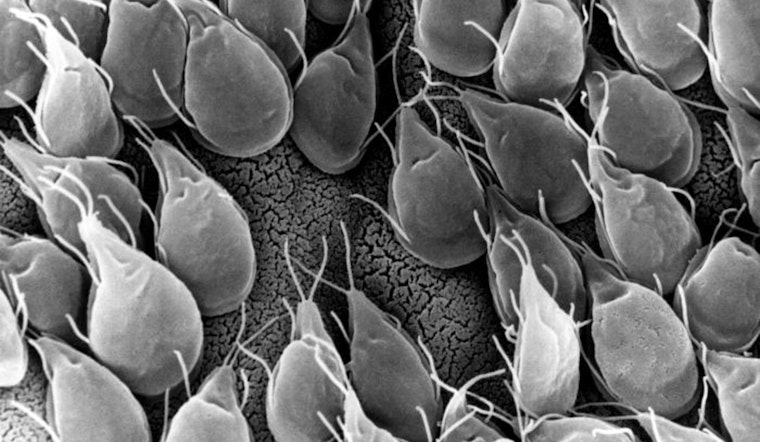
Giardia spreads when animals or people ingest microscopic cysts from water, soil or food that has been contaminated with feces, and those cysts can hang around in the environment. Dogs can easily reinfect themselves unless surfaces, bedding and other materials are thoroughly scrubbed and disinfected, according to the Cornell University College of Veterinary Medicine. The Centers for Disease Control and Prevention notes that while dogs can carry Giardia, the strains that typically make dogs sick are usually different from the ones that most often infect people. Zoonotic transmission is possible but considered uncommon, and basic hygiene such as washing hands and avoiding contact with feces significantly reduces the risk.
Volunteers push for clearer coordination and faster cleaning
Volunteers and local animal advocates say the shelter’s response has felt disorganized at times, with communication gaps and slow coordination making it harder for volunteers to mobilize when the outbreak first hit, Los Angeles Times reported. Shelter leaders told the department’s board that three dogs with stress-related concerns were placed on the euthanasia list, but officials said that overall euthanasia rates at the facility have not risen directly because of the isolation protocols.
What adopters and fosters should know
The Chesterfield Square shelter still posts regular adoption hours and maintains a "View Pets" page for animals at the location, and the center remains open most days to the public, according to LA Animal Services. Visitors are being asked not to put their hands inside kennels while staff work through testing, treatment and enhanced cleaning. Potential adopters and fosters are encouraged to follow staff instructions closely when meeting dogs during this period.
For now, veterinarians at Chesterfield Square continue to test, treat and monitor infected dogs while staff and volunteers stay focused on cleaning and basic care. Anyone interested in adopting, fostering or helping out is being urged to check the Chesterfield Square listing on the L.A. Animal Services website for the latest on operations, available animals and volunteer guidance.





