

























































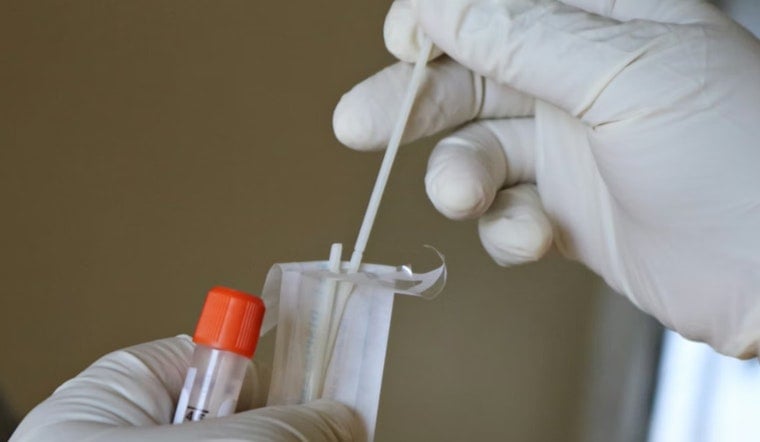
The Texas Department of Public Safety has launched a two-year pilot program to use Rapid DNA testing at jail booking stations, a move officials say will speed up DNA matching and flag people tied to unsolved violent crimes before they are released. DPS announced the program on Thursday and cast it as a way to cut forensic turnaround times that can otherwise stretch for days or weeks. The department says the pilot is designed to catch repeat violent offenders more quickly and ease testing backlogs.
What SB 1723 Requires and When It Kicks In
Senate Bill 1723 authorized the DPS Crime Laboratory Division to create a Rapid DNA pilot program and set deadlines for rolling it out, including IT upgrades and oversight benchmarks, according to the bill text on the Texas Legislature website. The law directs DPS to begin updating information technology systems by Sept. 1, 2025, to start implementing the pilot in two counties by Sept. 1, 2026, and to submit a written review and recommendations to the Legislature by Jan. 1, 2028.
Who Is Involved and Where the Pilot Will Run
The DPS Crime Laboratory Division says it has set up the two-year pilot and partnered with the Montgomery County and Williamson County sheriff’s offices to conduct the initial testing, according to the Texas Department of Public Safety. DPS also highlighted the program on its official X account, saying the “new tool could keep violent offenders from being released back into Texas communities,” according to Texas DPS on X.
How Rapid DNA Fits Into the Booking Desk Routine
Rapid DNA instruments can automatically process a buccal (cheek) swab and generate a CODIS-compatible DNA profile in about one to two hours, which lets booking stations search arrestee profiles against indexes for unsolved violent crimes in near real time, according to the FBI. Early pilot programs and lab observers have emphasized that IT integration, automation, and a two-swab procedure are crucial because the machines can struggle with mixed or degraded samples, and agencies have to preserve evidence for traditional laboratory analysis, as reported by Forensic Magazine.
Privacy, Accuracy, and Legal Fights on the Horizon
Civil-liberties groups have warned that collecting and keeping DNA from people who are only arrested, not convicted, risks building massive databases that sweep in many who never see a guilty verdict, and that expungement processes can be slow and burdensome, a concern raised by Human Rights Watch. A primer and related policy analyses describe the federal rules for DNA databases and underline the need for clear retention, access, and expungement policies if states expand booking-station use of Rapid DNA, according to the Congressional Research Service.
What Happens Next and What Texans Should Watch
The statute requires DPS to review the pilot and deliver a written report to the Legislature by Jan. 1, 2028, and it includes a sunset provision that leaves the program, and any future expansion, in the hands of lawmakers, according to the bill text on the Texas Legislature website. Texans will want to watch which counties, if any, are added beyond the initial two, how agencies handle retention and expungement of arrestee DNA profiles, and whether the program actually cuts violent-crime recidivism without creating new privacy or operational headaches.





