

























































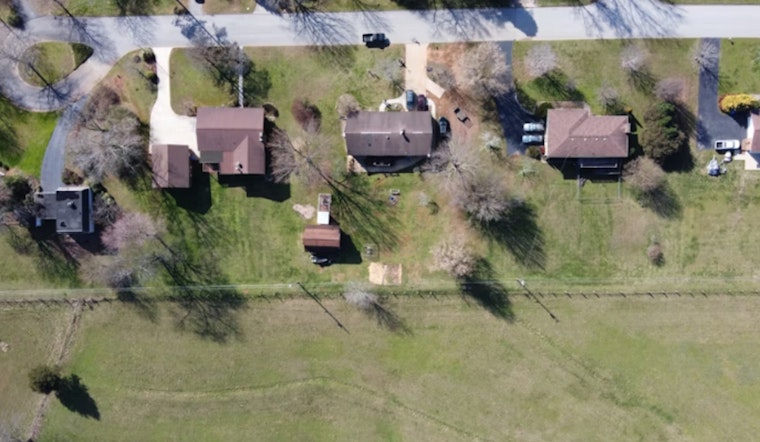
Nine large investment firms now control roughly 11,000 single-family houses across Harris County, equal to about 1% of the county’s single-family stock, according to a recent analysis. That modest-sounding share hides hot spots in the county’s north and west, where investors have scooped up whole subdivisions and sparked worries that corporate buyers are edging out local families looking for starter homes.
A Jan. 22 report from the Kinder Institute for Urban Research at Rice University found the nine institutional investors held an estimated 11,000 single-family properties in 2024, up from about 10,000 in 2021, with the heaviest concentrations in northern and western suburbs. Researchers linked dozens of LLCs in county records back to the nine firms to build that estimate, the Kinder Institute reported.
"You may find subdivisions or smaller areas where they own the majority of the single-family stock," Kinder researcher Stephen Sherman told ABC13, emphasizing that countywide averages can mask neighborhood-level dominance. ABC13 noted the report points to areas including Atascocita, Spring and the Bear Creek corridor as places where investor ownership is particularly concentrated.
Who’s behind the buying
The Kinder analysis identifies Pretium (operating locally through Progress Residential), Cerberus, Invitation Homes, American Homes 4 Rent and Tricon Residential as the largest institutional owners in Harris County. Pretium’s Progress Residential accounts for the biggest footprint at roughly 3,300 homes in 2024, while Cerberus has grown to about 2,200 homes, according to the breakdown the Kinder Institute provided.
How big a bite are investors taking?
Looked at across the entire county, the nine firms’ holdings amount to a sliver of Harris County’s roughly one million single-family properties, about 1% of the whole. That headline number, however, can understate the impact in neighborhoods where investor-owned houses cluster on the same blocks. Using a different approach, the Houston Chronicle cited John Burns Real Estate & Consulting data showing that investors with portfolios of 1,000 or more homes owned about 29,800 Houston properties as of March 2025, a far larger share of the single-family rental market than the narrower count suggests, the Houston Chronicle explained.
Policy and enforcement
The investor surge landed on the national stage in January when President Trump signed an executive order directing federal agencies to discourage policies that make bulk home purchases easier and asking the Justice Department and Federal Trade Commission to review large acquisitions for possible anticompetitive effects. A Jan. 20 fact sheet from the White House outlined those goals, while Reuters reported that the order will likely need additional regulatory or legislative action before it can fully bite.
What buyers and neighborhoods can expect
Local housing advocates warn that concentrated investor ownership can shrink the pool of for-sale listings, heat up competition for entry-level houses and tilt entire streets toward rental status. The Houston Chronicle and other local researchers note that large firms often argue they are providing professionally managed rentals, but the impact on first-time buyers ultimately hinges on whether those portfolios are sold back to owner-occupants over time or remain long-term rental investments.
What to watch next
For now the Kinder analysis gives local officials and consumer advocates a clearer map of where investor ownership is concentrated and where pressure on would-be buyers may be most intense. How much that map changes will depend on what comes next from Washington and Austin. If federal agencies follow the executive order with rules that curb financing or require more disclosure, or if state lawmakers revive efforts to limit the size of large single-family portfolios, Houston-area buyers could feel more meaningful shifts than this snapshot alone shows, Reuters reported, noting the timeline tied to future rulemaking.





