

























































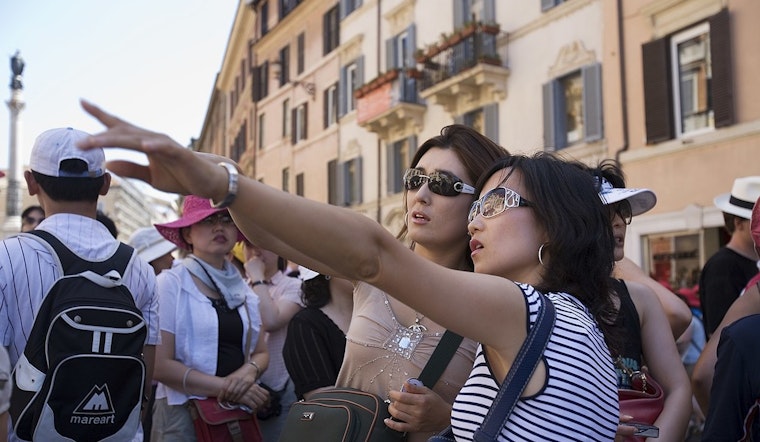
Japanese travelers are finally trickling back to Hawaii in bigger numbers, but they are not splurging the way local businesses remember. A weak yen is making everything from omakase dinners to outlet mall hauls feel pricier, so visitor counts are creeping up while per-person spending mostly stalls out. For shops, tour operators and hotels that built their playbooks around high-spend Japanese tour groups, that split is making recovery feel more like treading water.
Numbers: More Arrivals, Flat Spending
In January 2026, Hawaii welcomed 56,731 visitors from Japan, a 4.5 percent increase from the same month a year earlier. Their wallets did not follow suit. Total spending was essentially unchanged at about $83.2 million, according to the Department of Business, Economic Development and Tourism.
The agency found that Japanese visitors stayed for shorter periods on average, which helps explain why more arrivals did not translate into fatter receipts per trip. Those January figures line up with a broader 2025 pattern, when month-to-month gains in arrivals sometimes showed up alongside softer market receipts.
Small Gains, Mixed Results
As Pacific Business News reported, Japanese tourism to Hawaii has recently “inched up” by roughly 4.4 percent, but spending has stayed muted. Industry sources told the outlet that visitors are cutting back on discretionary buys, especially shopping, extras and some paid activities, even when flights and seats are available.
Why the Yen Matters
Currency is doing a lot of the talking. The yen’s long slide against the dollar has helped supercharge inbound travel to Japan itself, while shrinking Japanese households’ buying power overseas. That makes Hawaii feel relatively more expensive for many would-be beachgoers, according to reporting in The Guardian.
The result is a slightly odd picture. Hawaii can see more Japanese visitors in the arrival halls, yet log lower spending per person once those visitors start doing the math on hotel rates, restaurant checks and shopping sprees in dollars instead of yen.
Flight Patterns Amplify the Squeeze
Air service is also part of the story. Flights have come back unevenly and remain below pre-pandemic levels in key months, which can hold back the long-stay, high-spend leisure traffic Hawaii leans on. Monthly reports show that some gateways and direct island routes still have fewer scheduled seats than in 2019. Industry analysts say that mismatch can shorten trips and trim spending totals, according to DBEDT.
For operators who depended on large tour groups or premium cabins, less capacity can translate into fewer deep-pocketed visitors, even if the number of flights on the board is slowly ticking up.
Local Businesses Adjust
On the ground, retailers and activity providers are retooling to capture the visitors who still have room in their budgets. Local reporting shows Hawai‘i Tourism Authority officials and business groups pushing targeted campaigns in Japan and testing value-focused offers, from midday deals to curated high-end packages, in an effort to offset weaker shopping receipts, according to the Honolulu Star-Advertiser.
For many island businesses, the math is blunt. More arrivals help only if those visitors are booking rooms, meals and activities at levels that can keep up with rising costs.
Looking Ahead
Economists say the near-term outlook hinges heavily on currency moves and the strength of Japan’s economy. A firmer yen would quickly restore some overseas buying power and could loosen up tourist spending again. Local analysis argues that Hawaii should keep diversifying its source markets and lean into premium and niche experiences to protect overall receipts as recovery continues, according to reporting in Hawaii Business Magazine.
For now, the islands are seeing more Japanese faces at baggage claim. The difference is what happens after the bags hit the carousel, with many of those visitors watching their wallets more closely than they did in the boom years.





