

























































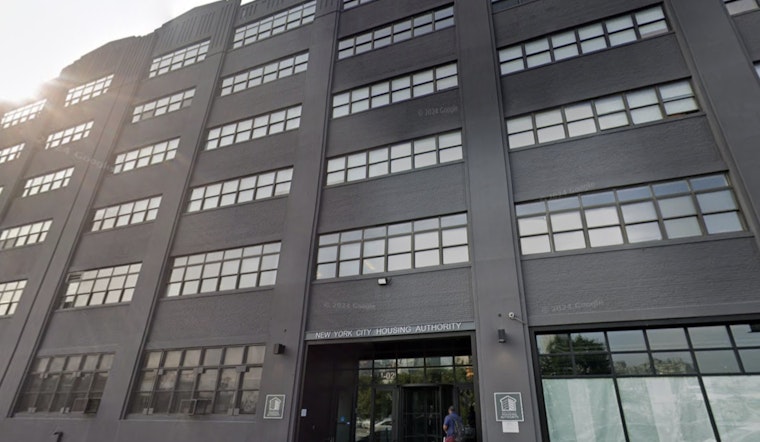
In the city that never seems to have enough affordable housing, thousands of New York City Housing Authority apartments are sitting dark. A watchdog review and public data point to a sharp rise in empty NYCHA units, even as demand for low-cost housing keeps climbing. The growing backlog has sparked worries about safety, wasted apartments and long delays getting units fixed and rented again.
Watchdog Flags Gaps In Oversight
Inspectors and analysts say weak oversight and sluggish apartment turnover left vacant NYCHA units exposed to unauthorized occupants and criminal activity. A Department of Investigation report urged NYCHA to carry out unannounced, documented monthly inspections, tighten oversight of vendors and step up review of invoices and CCTV footage to stop people from exploiting unsecured building entry points.
According to the NYC Council Data Team, NYCHA’s unoccupied apartments rose sharply between 2021 and 2022, a trend that watchdogs say helped set the stage for the recent surge in vacancies.
Vacant Units More Than Double To Roughly 6,700
A recent review found that NYCHA vacancies more than doubled to roughly 6,700 apartments and that hundreds of those empty units were taken over by illegal occupants, according to The New York Times. The paper reported that police and city agencies reclaimed almost 550 apartments and arrested at least 81 people during those operations. Officers found guns and people with alleged gang ties in some of the seized units and discovered a fatally shot person in a Bronx apartment during one reclaiming operation.
How Big The Backlog Really Is
NYCHA’s footprint is massive, with roughly 177,569 apartments across 335 developments, and the authority’s own tallies highlight just how big the vacancy problem has become. Those totals, and related resident figures, appear in Department of Investigation materials that draw on NYCHA’s fact sheet.
City leaders have warned of an enormous capital shortfall of roughly $80 billion, the NYC Council said, a gap that officials argue helps explain why repairs and apartment turnarounds can drag on.
NYCHA Says Fixes Are Coming, Slowly
NYCHA says it has accepted the watchdog’s recommendations, but officials caution that some changes will take time because units need testing, abatement and procurement work before they can be brought back online. In a statement to The New York Times, a NYCHA spokesman said the authority "collaborated with the police department in 2023 to root out criminal activity in vacant units and will continue the work." Watchdog officials have warned that unmonitored vacancies "reduce availability and pose a public safety risk."
Families Wait While Apartments Sit Empty
For New Yorkers stuck on NYCHA waiting lists, the spike in empty units is a bitter twist. Apartments that could be housing families sit offline for months or years while repairs, environmental testing and security upgrades stack up.
Oversight recommendations, from revamped inspections to tighter controls on access keys and vendor billing, could help speed up rehabilitation of vacant units. But residents and advocates say those steps will require more staff and funding and will not quickly erase the shortage of available, affordable apartments.





