

























































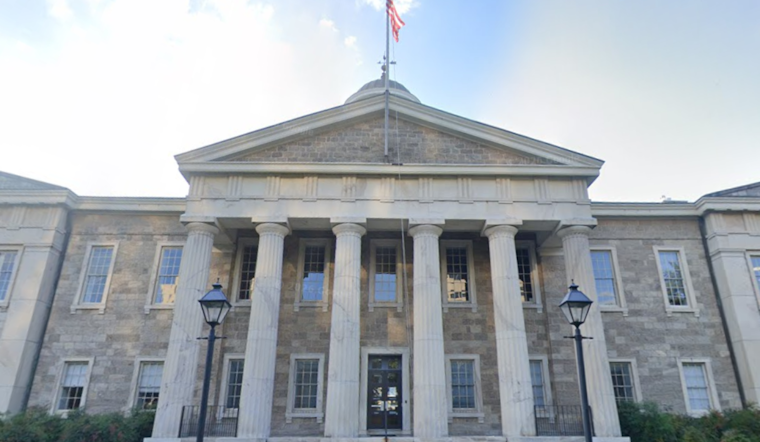
Baltimore County is staring down a legal and political storm over a proposal that would stop law enforcement officers, including federal immigration agents, from hiding their faces during public encounters and would make them show clear identification. Councilman Izzy Patoka, who is carrying the bill, says it is about basic transparency in neighborhoods where masked or unmarked officers have already rattled residents. Critics and county lawyers are warning that once the ordinance touches federal agents, it runs straight into constitutional trouble.
What the bill would do
Bill 18-26, listed on the council's March agenda as “Conduct of Law Enforcement Officers - Masks Prohibited,” would prohibit law enforcement officers from wearing masks, personal disguises, or face coverings while on duty in Baltimore County, with a handful of tightly written exceptions. It would also require officers to wear and display appropriate identification that shows a name or badge number along with the agency they represent.
The bill carves out exceptions for medical masks and respirators, smoke and water protection, tactical or SWAT equipment, and undercover work. The measure would take effect if at least five of the council’s seven members vote yes, according to the Baltimore County council agenda packet.
Part of a wider push in Maryland
The county debate is part of a broader fight playing out in Annapolis. State legislation labeled SB 1/HB 155 would direct the Maryland Police Training and Standards Commission to craft a statewide model policy that limits on-duty face coverings and bars most on-duty masking outside narrow exceptions. Local governments across Maryland have been introducing their own versions to match that approach.
Montgomery County, for example, has moved forward with what supporters there call an “Unmask ICE” style bill this session. State and local records show lawmakers and county officials around Maryland are weighing similar rules around when officers can cover their faces and how clearly they must identify themselves, according to the Maryland General Assembly and Montgomery County council documents.
Legal questions ahead
The looming legal issue is federal preemption and whether a county can realistically enforce a masking ban against federal officers who are carrying out immigration work. Courts are already testing those boundaries. In February, a federal judge in California blocked enforcement of that state's mask ban after concluding the law likely discriminated against federal officers by exempting state police. That early ruling has become a caution sign for cities and counties that try to write mask rules that land hardest on federal immigration operations, according to Bloomberg Law.
Maryland’s legal advisers have been sounding similar notes. In materials sent to Baltimore County, the Office of the Attorney General wrote that the state bill “is not clearly unconstitutional” in general, but warned it “would be difficult and likely unconstitutional for the State to enforce a masking prohibition against federal agents like Immigration and Customs Enforcement.” That language appears in documents shared with council members by the county’s Office of Law, according to the Baltimore County council agenda packet.
Local politics
Patoka has argued that masks allow ICE agents to intimidate residents and duck accountability, and he pitches the ordinance as one more tool to bring sunlight to tense enforcement actions. But the idea is already running into headwinds from colleagues who say Baltimore County has no business trying to regulate federal operations. Councilman Todd Crandell has publicly said he will vote against the measure, and internal legal review has stressed how tough it would be to enforce on federal officers. The council scheduled the bill for discussion at its regular Monday night meeting, according to The Baltimore Banner.
If the council ultimately passes an ordinance, attorneys say the next move is basically scripted: expect a quick trip to court. California’s experience, where the mask ban itself has been put on hold while identification rules have so far survived, suggests that any local attempt to clamp down on federal agents will draw immediate legal fire and turn on whether federal officers are treated differently from their state counterparts. Observers say the whole question of how far cities and counties can go may need higher courts to settle it, according to the Los Angeles Times.





