

























































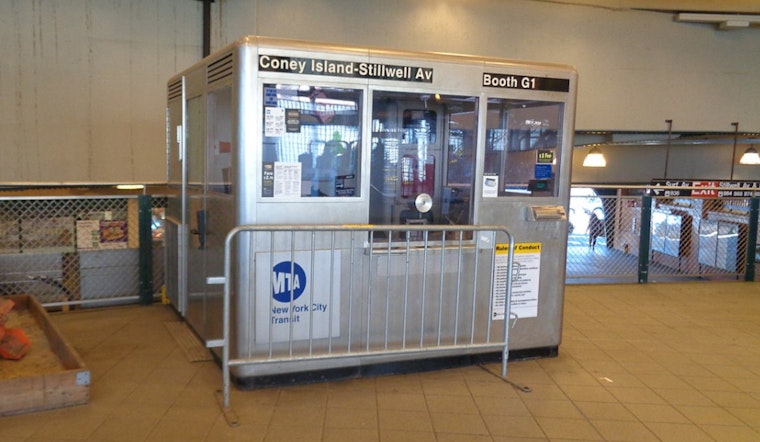
Transport Workers Union Local 100 has hauled the MTA into court, accusing the agency of quietly changing policy so that subway stations can be left partially or even completely unstaffed when booth agents call out sick or go on vacation. Union President John Chiarello says the shift is already creating coverage gaps that leave riders - especially people with disabilities or anyone unfamiliar with the system - with nobody to turn to. The lawsuit lands just as the MTA is rolling out a systemwide plan to pull station agents out of their booths and turn them into roving customer service workers.
According to News 12 Bronx, Chiarello argues the MTA no longer requires sick or vacationing booth agents to be replaced, which he says has "created gaps in coverage" across stations. He told the outlet that fewer agents on site means very real problems: riders getting stuck in gates and people with mobility needs unable to quickly find help. A rider quoted by News 12, Marquell Archer, said station agents are crucial for riders who are new to the subway and need directions or hands-on assistance.
MTA says the role was negotiated to be more mobile
The MTA is not exactly apologizing. The agency says it worked with the union to redesign the station agent role so workers could leave the booth and help riders at turnstiles, fare machines and even out on the platforms. In an MTA press release, officials framed the shift as part of the broader OMNY rollout, noting that agents received training and additional pay when the agreement was signed. The release said the new role would be phased in starting in early 2023, and that the deal followed public notice and hearings.
Union warns accessibility and safety are at risk
Union leaders say that whatever was negotiated on paper, the way it is playing out on the ground is a problem. They argue that a roving agent who may or may not be nearby is no substitute for a staffed booth, especially at secondary entrances and elevator landings that already feel like the forgotten corners of the system. According to News 12 Bronx, incidents have already occurred where riders became stuck in gates and station staff had to release turnstiles in emergencies, a function the union says is put at risk when no one is assigned to the booth. Chiarello has warned that reduced booth coverage is likely to fall hardest on disabled riders who rely on on-site help to navigate elevators and reach station platforms.
Background on the role change
In its own telling, the MTA has been moving toward this model for a while. According to the MTA press release, the agency began filling vacant station agent positions in November 2021 and said 288 agents had been hired to support the revamped role, with more hires on the way. Officials pitched the move as an update to an old "booth-oriented" job, reimagining agents as roving customer service workers who can help with wayfinding, OMNY issues and reporting broken elevators or escalators. That backstory is why the MTA now insists the current staffing approach is a negotiated modernization, not a unilateral staffing cut.
Legal angle
News 12 reported the union has filed its lawsuit, but a copy of the complaint or any docket entries were not immediately available on public court portals at the time of reporting. The outlet did not spell out the precise legal claims the union is bringing or what remedies it is asking for, whether that is an injunction, temporary restraining order, damages or something else. Until those details surface, the exact shape of the case remains murky. A key early test will be how a court handles any request for emergency relief, which could determine whether the MTA has to pause its current staffing practices while the lawsuit plays out.
What comes next
It was not yet clear when a court might schedule initial hearings or whether the MTA will try to move or dismiss the case outright. For now, the agency is sticking to its talking points about a negotiated role change, extra training and pay, and a system that is supposed to put agents closer to riders. Riders and disability advocates, meanwhile, will be watching to see if the litigation forces a rethink of how stations are staffed or speeds up other measures aimed at guaranteeing in-person help. This story will be updated if the court filing becomes publicly available or if either side issues a more detailed statement on what they are asking for and how they plan to fight it out.



