

























































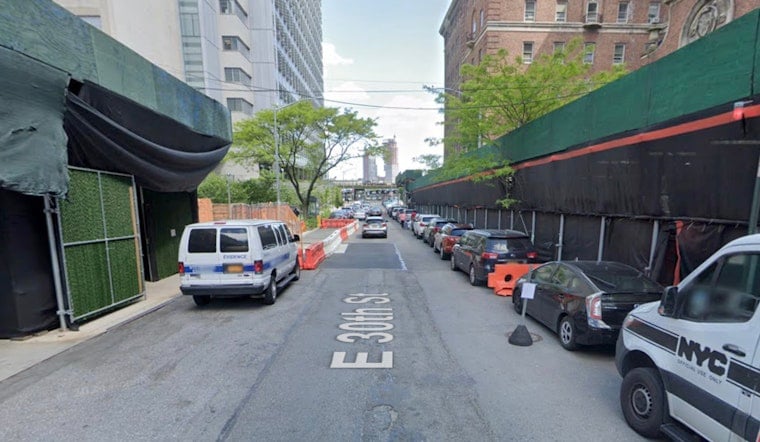
After more than four decades as New York City’s front door for homeless single men and adult families, the historic 30th Street intake shelter in Manhattan is now set to close in the coming weeks. The nine-story brick building, a former hospital ward built in 1931 and converted to shelter use in the 1980s, currently holds several hundred beds and has long served as the city’s primary entry point into the shelter system. Staff and residents say the shutdown will trigger a wave of transfers across the city and leave employees scrambling to find new placements.
Workers and residents told reporters that the Department of Homeless Services (DHS) has begun quietly preparing to shutter the intake center sometime between mid-March and the end of April, with men being shifted to other locations and some transfer notices pointing to a shelter in Gowanus. The move follows earlier reporting about hazardous conditions inside the aging building and comes as the city continues to manage thousands of new arrivals. These details were reported by THE CITY.
Staffers say they were blindsided
“We weren’t even told officially. The staff is in limbo,” an anonymous DHS employee told THE CITY, describing a rollout that has left workers guessing about what comes next. Several staffers and residents said men are already being transferred to other facilities, with paperwork routing some to the Gowanus shelter. The building itself, which dates to 1931 and first opened as a shelter in 1984, has for decades been the city’s main intake point for men and adult families.
Residents react
For people who have spent months or years passing through 30th Street, the news is landing with a mix of frustration and resignation. “That’s upsetting,” said Corey Sims after learning about the planned move. Another resident, Eddie Robinson, defended the facility, saying the building “works” and “it’s livable, it’s clean,” even as others worried about where they might land next.
Several men said they had already received transfer notices but were unsure when they would actually be moved, adding another layer of anxiety to already uncertain lives. Advocates say that kind of limbo raises real concerns about continuity of care and access to services as people are scattered to new addresses.
A strained system
The closure comes at a moment when New York City’s shelter system is stretched close to its limits. A recent DHS daily report shows the system was housing about 85,684 people on Tuesday, a historically high figure.
For years, the 30th Street intake center has served as a triage hub that processes newly arriving single adults and adult families before longer-term placements are found elsewhere in the system. Advocates warn that shifting that intake capacity without a clear, fully built-out replacement could slow access to essentials like benefits enrollment, medical screenings and case management, potentially leaving new arrivals in bureaucratic limbo.
What officials say and what's next
The wind-down at 30th Street also fits into a broader policy shift at City Hall. Mayor Zohran Mamdani has signaled plans to close the last remaining large-scale migrant shelter in the Bronx by the end of the year, according to a city press release. At the same time, Molly Wasow Park has tendered her resignation as head of DHS, and Erin Dalton has been tapped to replace her, a leadership shake-up that advocates say could accelerate changes already in motion.
Local providers and advocates are pressing the city for clear answers on where people will be placed once 30th Street goes offline and how key services will be preserved during the transition. For now, residents, staff and advocates say they are watching closely as transfers begin and as the city begins to spell out its replacement plan.
DHS has not released a public schedule for the shutdown beyond the internal notices described by staff and residents, and the coming weeks will test whether the city can re-route new arrivals without major disruption. We will update this story as officials release more details.





