

























































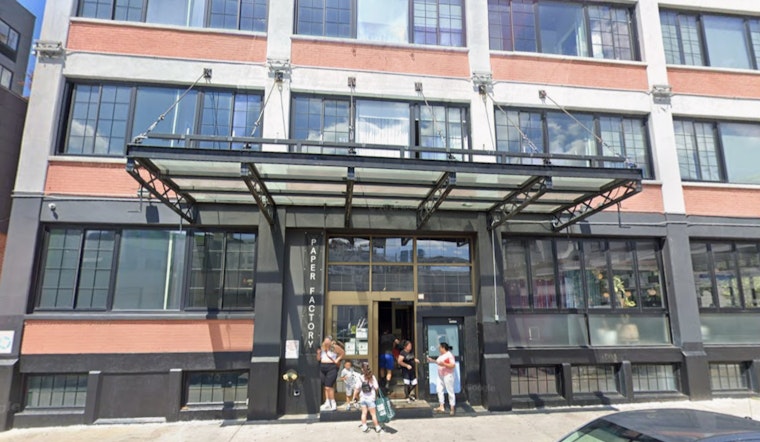
The Collective, a once-ambitious co-living operator that lined up hundreds of planned units in Brooklyn and Queens, has officially buckled after a failed sale process, leaving several New York projects stuck in limbo. The wind-down highlights how a model built on shared amenities and aggressive growth assumptions struggled in the wake of pandemic-era occupancy drops and heavy debt.
Administration Followed A Failed Sale Effort
According to Bloomberg, The Collective fell into administration after a Credit Suisse-run sales process failed to produce an acceptable bid. The company had pitched investors on a pipeline of tens of thousands of units, but could not keep up with its loans once occupancy declined and costs kept climbing.
Administrators Take Control And Lenders Weigh Options
Administrators from FTI Consulting were appointed to wind down the parent management company, and lenders have signaled they are more likely to sell assets off piece by piece than preserve the operator as a going concern, according to Bisnow. The outlet noted that the administration hit the United Kingdom management entity, while many U.S. properties sit inside separate corporate structures. That setup has left some American projects technically outside the formal insolvency process, even as they are dragged into the fallout.
New York Holdings And Recent Sales
In New York, the company’s Paper Factory short-stay operation in Long Island City and a cluster of Brooklyn development sites have each taken their own path, with lenders or new owners stepping in on a case-by-case basis. Commercial Observer reported that The Collective sold a Williamsburg development parcel at 555 Broadway in an off-market deal in order to head off a lender foreclosure. The Collective had previously promoted its Brooklyn ambitions, including a 2019 company announcement for a North 8th Street project that laid out details in a corporate press release. PR Newswire covered those initial U.S. plans.
What Administrators Say And What Is Next
Administrators have tried to keep operational sites running while they sort through options, arranging funding lines for United Kingdom properties to preserve day-to-day operations during the sales process, Bisnow reported. For tenants and would-be renters, the bottom line is uncertainty. New ownership could reshape construction timelines, management agreements and amenity packages as lenders consider credit bids, traditional resales or potential conversions.
Why The Co-Living Boom Cooled
Observers say The Collective’s collapse is part of a broader reset in co-living, where rapid expansion, venture-style growth pressure and the pandemic left multiple operators stretched too far. Fortune noted that other high-profile co-living brands have either folded or shrunk, making investors more cautious and shrinking the pool of potential buyers for platform operators. In practical terms, that means some Collective sites are more likely to be reworked as conventional rentals, hotels or mixed-use projects under new owners.
For now, the key players watching the situation are the FTI administrators, major lenders and any institutional buyers willing to step in. Their choices will determine whether the Brooklyn and Queens projects are built roughly as promised or reimagined entirely. Expect the next chapter to play out in public filings and sales notices over the coming months as the properties move through the insolvency and disposition process.





