

























































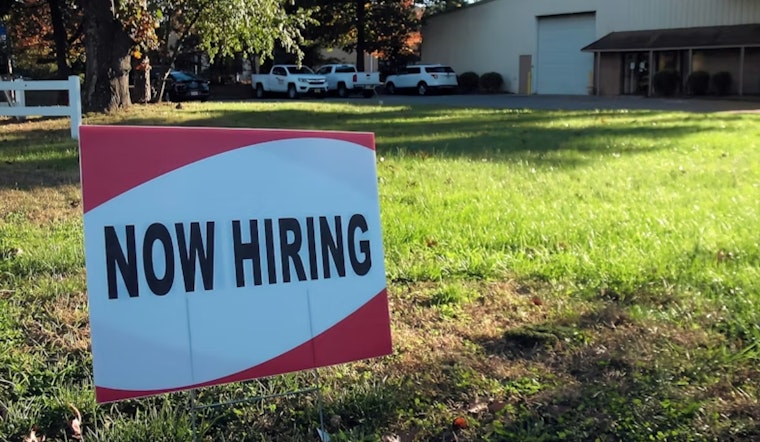
Detroit Diesel is firing up a third production shift at its Redford Township engine and axle complex, bringing back laid off workers and hiring dozens more, according to union leaders. The United Auto Workers is pitching the move as proof that recent trade policy is nudging work back into U.S. factories, a talking point that quickly stirred debate among industry and state officials. The added shift stands out as a rare, concrete hiring boost after months of production swings and temporary layoffs across parts of the truck and parts supply chain.
Union credits tariffs and lobbying
In a post on the UAW website, President Shawn Fain argued that the policy playbook is starting to pay off. "Strategic, targeted tariffs are an important tool in the toolbox to undo the damage of our free trade disaster and bring back good union jobs to the U.S.," he said. The union said its lobbying for Section 232 action on medium and heavy duty trucks helped spur the change, and UAW Region 1A Director Mark DePaoli offered congratulations to members who will be returning to the complex. The union framed the move as an early test of whether tariff pressure can be converted into stable, well paid work for UAW members at the site.
Plant history and recent investments
According to the Detroit Free Press, the new third shift will allow Detroit Diesel to recall workers who had been on layoff and also bring in additional hires at the Redford Township complex. The site traces its lineage back to a General Motors diesel division that dates to 1938. It is now in the middle of a $285 million modernization plan announced in late 2024 that industry outlets said would add several hundred jobs and boost research and development at the factory. FleetOwner reported that the upgrade was intended to keep engine and axle production anchored in Michigan and to shore up the local supply chain.
How the tariff rule works
The White House issued a proclamation last fall that slapped a 25 percent duty on many imported medium and heavy duty trucks while setting rules that limit the tariff for models with qualifying U.S. content. The measure, which took effect for many imports on Nov. 1, 2025, includes offsets that are meant to reward domestic assembly and parts sourcing. Supporters argue the carveouts give U.S. production a fairer shot. Critics counter that the levies add costs for fleets and suppliers and can ripple through the system in the form of layoffs or slower builds in other locations.
Mixed reaction in Michigan
In Michigan, the Detroit Diesel news landed with a mix of applause and caution. The UAW is touting the added shift as proof that tariffs can translate into real jobs, while state leaders and industry groups keep warning that the same policies can carry a sting. Governor Gretchen Whitmer has said tariffs can hurt manufacturers and complicate recovery plans, according to reporting from the Associated Press. Automakers and suppliers are still trying to sort out whether the tariff regime will lead to lasting reinvestment in U.S. facilities or simply reshuffle production patterns across North America.
What comes next
On the ground, local leaders and rank and file workers will be watching to see how many laid off employees actually get the call back and whether the third shift sticks around. Daimler Truck North America has said it has production flexibility at the Detroit complex and has already poured money into upgrades there, which leaves an open question. Is this shift a short term bump for a hot product cycle, or the early sign of a deeper reshoring trend in heavy duty powertrain work. For its part, the UAW says it plans to watch hiring closely and keep pressing to make sure the investment shows up in better pay and stronger job security for its members.





