

























































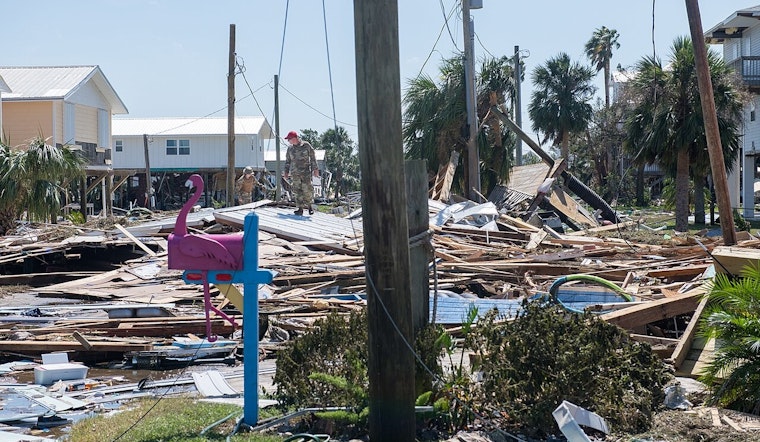
Families across Pinellas County who are still out of their homes after Hurricanes Helene and Milton just got a little breathing room. FEMA has extended its Direct Housing assistance for people living in agency-provided trailers and mobile homes, pushing the end date to Oct. 11, 2026, instead of an April cutoff. For households in the Tampa Bay region where repairs and rebuilding are still dragging on, that extra time means they are not staring down an immediate deadline to move out.
What The Extension Covers
The six-month extension lifts the Direct Housing program’s previously scheduled April 11 expiration and is expected to keep temporary units in place for more than 100 affected households in Pinellas and nearby counties. As reported by WTSP, some people in FEMA units will start paying monthly rent in April, set at 25 percent of HUD’s fair-market rent at first and then rising to 50 percent beginning in June 2026.
How Direct Housing Works
Under FEMA’s Direct Housing and Direct Lease options, the agency provides transportable temporary housing units, including travel trailers and manufactured or mobile homes, or leases ready-to-occupy properties when local rentals are hard to find. According to a FEMA fact sheet, those measures are meant as short-term bridges while households work out permanent housing plans. FEMA re-evaluates eligibility each month and coordinates with Disaster Case Management to map out next steps. The agency also notes that where it applies, essential utilities are built into the rent FEMA pays to property owners.
Pinellas County Placements And Local Figures
Pinellas County’s recovery materials list several approved FEMA placement sites, including Oldsmar Country Club Estates, Oakadia Groves, Crestridge and Mobile Manor mobile home park. County documents show that roughly 200 households in Pinellas have been licensed into FEMA Direct Housing so far, with more placements still pending as inspections and case-management work continue. The county maintains an online recovery page that posts updates and local resources for residents trying to navigate the process.
Neighbors Say Recovery Is Still Fragile
People in some of the hardest-hit neighborhoods say the extension is a relief, but it does not mean everything is fixed. "A lot of people got hurt here," resident Dave Devol told WTSP, describing homes that are still gutted or under repair. Some residents also say their initial FEMA applications were denied, which has only slowed already difficult recoveries.
How Survivors Can Get Help
Displaced households are urged to keep their FEMA application numbers and documentation up to date and to stay in touch with assigned case managers. For program details or to update an application, FEMA directs survivors to DisasterAssistance.gov. Pinellas County posts local recovery resources and contact information on its Hurricane Helene & Milton recovery page, where Disaster Case Management and local nonprofits are also listed as navigation and legal-aid resources for people struggling with rent or paperwork.
The extension gives families more time to line up permanent housing, but officials and advocates caution that temporary units cannot substitute for long-term solutions in a tight rental market. County leaders say ongoing help from federal, state and nonprofit partners will be crucial to move households out of emergency setups and into safe, affordable homes.




.jpg)