

























































A Washington County grand jury has decided that the juvenile who fired the shot that killed 43-year-old Brian Keith Lavoie Jr. in Hancock will not face criminal charges, ruling the shooting was an act of self-defense. The decision leaves the small town with a high-profile death and only a trickle of official details as investigators continue their review.
Grand jury decision and investigators' findings
On March 25, a Washington County grand jury found the juvenile had acted in defense of self and others and returned no indictment, according to DC News Now. The outlet reports that the Washington County Sheriff's Office Criminal Investigations Unit determined the juvenile was the person who fired the gun. Prosecutors in the Washington County State's Attorney's Office reviewed the sheriff's investigation and agreed with that conclusion.
What happened in Hancock
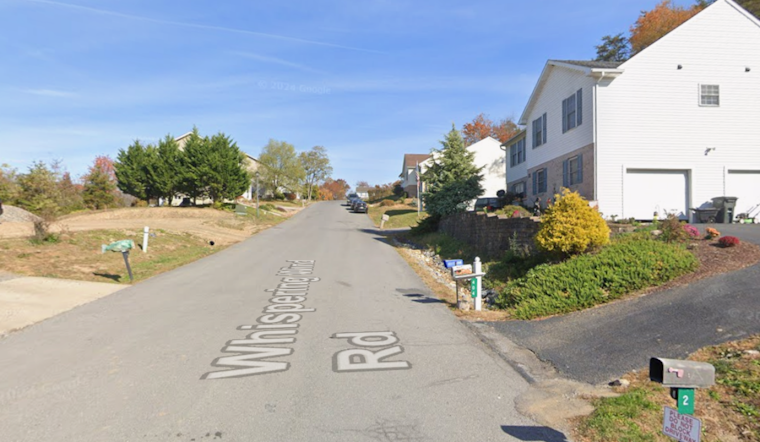
The shooting unfolded on Feb. 21, when deputies and Hancock police were called to the 400 block of Whispering Wind Road and found Lavoie suffering from multiple gunshot wounds, according to the Morgan Messenger. First responders began life-saving efforts at the scene before Lavoie was taken to Meritus Medical Center, where he later died. In its initial public statement, the sheriff's office described the shooting as an isolated incident and asked anyone with information to contact investigators.
Officials' response
Since the grand jury ruling, the Washington County Sheriff's Office has said it will not release additional details. At the same time, the internal review continues, and local prosecutors have backed the sheriff's assessment, per DC News Now. Deputies had previously stressed there was no known threat to the wider public. Investigators say they are still following up on leads and are again urging any witnesses to step forward.
How Maryland law treats self-defense
Maryland recognizes self-defense and defense of others through case law and the state's pattern jury instructions, which require a reasonable belief of imminent danger before deadly force can be justified. Unlike states that have written stand-your-ground statutes into law, Maryland's rules have developed mainly through court decisions and jury instructions. For more details, see FindLaw and a Maryland Courts opinion in a 2025 case on self-defense instructions.
What comes next
A grand jury's job is to decide whether there is probable cause to bring criminal charges, and it can return a "no bill" if jurors find the evidence lacking, according to a Congressional Research Service overview on Congress.gov. If new evidence surfaces, investigators could revisit the Hancock shooting, and separate civil claims remain a possibility. Authorities have asked anyone with information to contact Detective Andrew Koontz at 240-313-2186, per the Morgan Messenger.
For now, the grand jury's decision effectively closes the criminal charging question in a case that rattled Hancock in late February. The ruling, however, leaves many of the underlying details of the confrontation out of public view, and officials say they will provide updates only if new developments demand it.





