

























































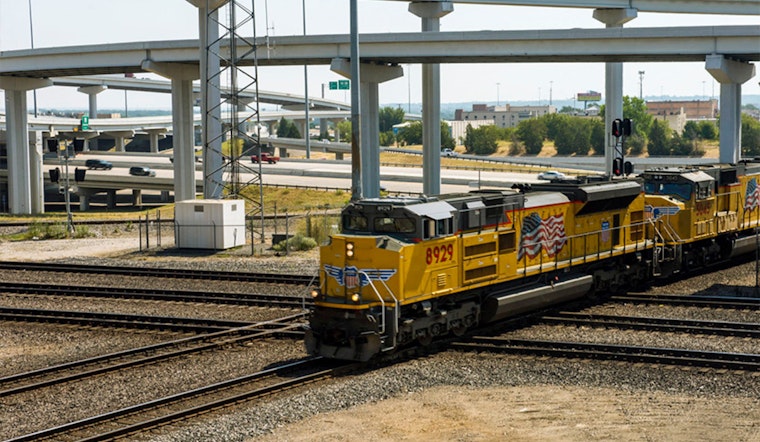
One of Houston's most gridlocked rail tangles is finally getting a serious overhaul, with state officials steering $40 million toward untangling the Griggs-Long-Mykawa intersection and its notoriously long train delays.
The cash infusion is part of a new state pot of money meant to wipe out at-grade rail crossings in communities that are off the state highway system. City and transit planners say the Griggs-Long-Mykawa redo will erase four rail crossings, make it safer and easier to walk and bike, and leave room for METRO's planned Purple Line to glide through without fighting freight traffic.
According to the Texas Department of Transportation, the Texas Transportation Commission signed off on $160.4 million in state grants for five rail grade separation projects and carved out a $40 million slice for the Houston effort. The total Griggs-Long-Mykawa price tag is roughly $165.2 million. In the agency announcement, TxDOT Executive Director Marc Williams said separating roads and tracks is about saving time and lives by ending the daily standoff between trains and traffic.
The stakes are not theoretical. Preliminary 2025 figures compiled by Operation Lifesaver show about 2,266 highway-rail grade-crossing collisions nationwide last year, resulting in 288 deaths and hundreds of injuries. Safety advocates and engineers point to grade separations as one of the most effective ways to cut those numbers because they eliminate the point where cars, trucks and trains intersect.
What the Griggs plan includes
A detailed project narrative from the Texas Department of Transportation explains that the Griggs-Long-Mykawa plan would elevate and realign the triangular junction of Griggs Road, Long Drive and Mykawa Road over Union Pacific and BNSF tracks. The work would remove four at-grade crossings and add bridges stretching roughly 900 to 1,200 feet in some segments.
The design includes dedicated pedestrian and bicycle facilities and space for METRO's Purple Line to operate in the center of the overpass. Listed local partners include the City of Houston, METRO and the Greater Southeast Management District. The application also points to preliminary engineering and NEPA work already completed under a previous planning grant, which supporters say puts the project in a stronger position to chase construction funding.
Why Houston is a focal point
Houston is packed with rail crossings, more than 700 of them, many tucked into industrial corridors where long freight trains routinely block streets and clog traffic, the Houston Chronicle reports. The paper also cites a 2024 fatality in which a high school student was struck and killed while walking to school, a case that intensified calls for safer crossings and helped spur funding for pedestrian upgrades in the area.
State leaders are trying to stretch their new rail safety fund. The Transportation Commission set aside about $90 million as a reserve to match federal grants so state dollars can be used as leverage for larger federal awards, according to Texas Rail Advocates. Officials say that strategy should let Texas support multiple rail separation projects around the state.
Houston did its homework early. A formal letter of support for the Griggs application went in earlier this year, according to City of Houston records. With state backing now secured, local partners plan to go after federal matches and launch the detailed design and right-of-way work that must wrap up before construction can begin.
Supporters are calling the $40 million award a major milestone, but they are quick to say that the real payoff will only come once the bridges are built and the crossings are gone. In the coming months, officials expect to be focused on lining up federal funding and nailing down design specifics before they can put a firm construction schedule on the board.





