

























































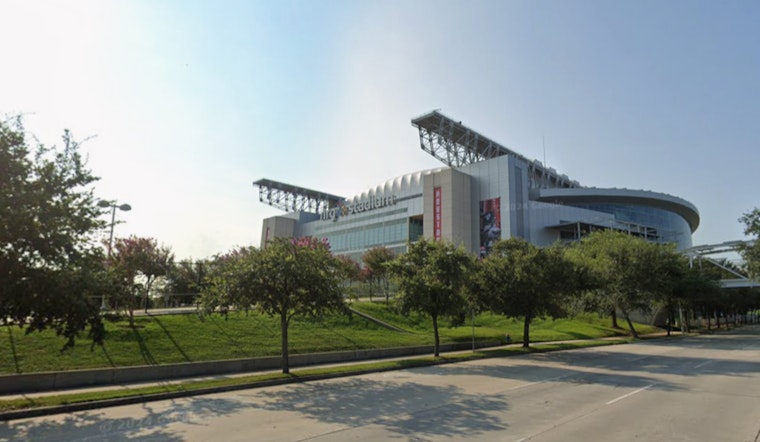
Houston just landed a fresh $9.09 million in federal cash to help keep trains and buses moving when the 2026 FIFA World Cup descends on NRG Park. The money is meant to cover planning, capital work and day-of operations tied to matches and big fan events so visitors are not stuck waiting on the curb while the party kicks off without them.
How the federal program works
The award is part of a $100.3 million pot that the U.S. Department of Transportation rolled out this week to help World Cup host cities bulk up transit service on game days. The idea is simple, at least on paper, help local systems move massive crowds without blowing a hole in their regular operating budgets.
According to Federal Transit Administration guidance, the money can reimburse planning work, capital improvements and operating expenses. That includes short term vehicle leases, extra staffing, added wayfinding signs and security. The federal share can be up to 100 percent, which means local agencies are not required to put in matching funds if they structure their projects correctly.
FTA also lays out a rough calendar. Agencies are expected to get their awards entered into the TrAMS grant system well ahead of July 2027 and can lean on an FTA toolkit that walks them through the grant making process.
Houston’s share and local reaction
U.S. Senator John Cornyn announced that Houston will receive exactly $9,092,387 through the FTA program, a figure local officials have been eyeing as a key piece of their match day playbook. "The 2026 World Cup is just around the corner, which will bring hundreds of thousands of fans to Houston," Cornyn said in a statement, framing the grant as a way to keep the city moving while the world is watching.
The City of Houston also amplified the news on X, reposting the Houston 2026 World Cup Host Committee's message and underscoring the host committee's projections of a large wave of visitors. That original post, which is embedded above, is also available directly on X.
What this means for METRO and riders
For Houston METRO, the federal dollars are essentially a toolkit in budget form. They can be used to hire extra operators, lease additional vehicles, beef up temporary security and refresh or expand signage, all of which typically jump to the top of the list when agencies scale up for major events.
Local transit watchers note that METRO recently pulled its microtransit expansion after an internal review raised reliability concerns. That move complicates how quickly free app based shuttles can be rolled out at World Cup scale, even with new federal money on the table.
At the same time, METRO has been gradually bolstering its fleet and infrastructure with other federal awards, including a Low or No Emission Bus grant that could support expanded service during the tournament, according to METRO.
Next steps and timeline
Designated grant recipients now have homework. They must coordinate with local transit providers and submit split or suballocation letters by June 1, 2026. FTA recommends agencies have draft grant applications ready by January 31, 2027 so staff can shape and obligate awards before the agency's deadline.
In Houston that means the city and local transit agencies will decide how to carve up the $9.09 million among bus routes, rail stations and special event services around NRG Park. Officials say they will release more details as the grant work moves forward.
For everyday riders, the bottom line is straightforward. Federal help is coming, but specifics on extra routes, staging areas and temporary detours will roll out from METRO and city planners over the next several months, long before the first whistle blows in 2026.





