

























































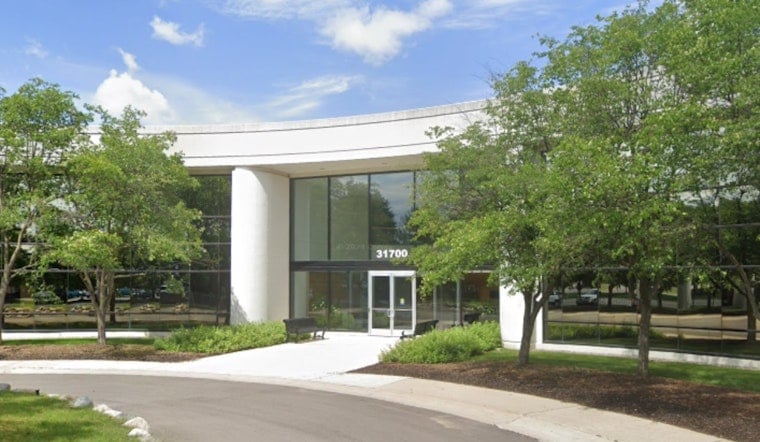
For decades, the Southfield-based Farbman family has been working mostly in the background while helping redraw Detroit’s skyline and courthouse square. Through the Farbman Group, they snapped up landmark office towers, poured money into a Beaux-Arts county building, and banked land around future stadiums. Founder Burton "Burt" Farbman built the firm from scratch, then passed day-to-day control to his sons as the new century arrived. Along the way, their low-profile deals have both buoyed preservation efforts and stirred debate over who really cashes in on Detroit’s revival.
Shift at the top
As reported by the Detroit Free Press, Burt began easing out of daily management around 2000, with his sons, Andy and David Farbman, stepping into control of operations. The profile details how the brothers doubled down on older buildings, betting they could buy aging properties across metro Detroit and reposition them for new uses instead of chasing only shiny ground-up projects.
A founder who built big bets
Burton Farbman launched the Farbman Group in 1976 and became closely tied to large-scale restorations and civic-minded real estate moves. He died on July 1, 2023, at age 80, according to DBusiness. The obituary and company biography credit him with work that ranged from courthouse rehabilitation to regional master-planning assignments that pulled the firm into broader development conversations.
Saving the Old Wayne County Building
Historic records show that a partnership led by Farbman took control of the Old Wayne County Building in the 1980s and embarked on a multimillion-dollar restoration that kept the historic landmark in active use for years, according to HistoricDetroit. That deal helped fuel a long-running local debate over public leases, private ownership, and what it really takes to keep downtown architectural gems alive after county offices move on.
Land deals that shaped downtown
Company histories credit Burt Farbman with helping assemble land tied to Comerica Park and Ford Field, a set of acquisition strategies that positioned the firm to benefit from redevelopment around Detroit’s stadium district, per DBusiness. Those kinds of plays, buying into big civic initiatives rather than sitting on the sidelines, became a recurring theme in how the firm approached Detroit over multiple decades.
Buying and losing skyline icons
Under the brothers’ watch, the firm moved on some of Detroit’s most recognizable buildings. In 2001, they acquired the Fisher Building and the neighboring Albert Kahn Building in New Center, a marquee buy documented in local building archives. HistoricDetroit records the purchase, while later coverage chronicled mounting mortgage issues and a 2015 auction that transferred ownership after years of deferred maintenance, according to Deadline Detroit.
Where the firm stands today
The Farbman Group remains a full-service commercial real estate operation with property-management, development, and construction divisions. Industry profiles say it oversees tens of millions of square feet and employs roughly 200 people, per Corp! Magazine. Still privately held, the firm continues to market itself as a player in restoration and repositioning projects that fit into Detroit’s broader reinvestment narrative.
What the family's bets mean for Detroit
Local observers note that family-run real estate outfits can move quickly and act as flexible capital partners, but they are also exposed when downtown rents soften and office occupancy drops. The roller-coaster story of the Fisher complex is a case in point. Coverage of those pressures, including defaults and ownership changes, underscores how preservation-minded investments can still turn into high-stakes financial gambles in today’s market.
As new money continues to flow into Detroit, the Farbman family’s track record, with its mix of preservation wins, aggressive acquisitions, and periodic blowback, is likely to stay woven into the city’s comeback story. Their long line of projects underlines a simple reality about urban revival: who holds the deed can matter as much as what gets restored.





