

























































After a sleepy February, Manhattan’s office market snapped awake in early March, as a run of supersized leases suddenly put some swagger back in the numbers. Instead of a broad wave of small deals, brokers say the bounce came from a tight cluster of jumbo commitments that pumped up leasing and occupancy at a handful of top-tier buildings.
As reported by the New York Post, several very large transactions signed in the first half of March helped erase February’s slump, including a major expansion at Williams Equities’ Flatiron holdings and other multi-floor commitments. Those marquee moves were big enough to turn what looked like a trend into what now looks more like a one-month blip.
Flatiron fintech expansion stands out
One of the headline deals came from Ramp, which bulked up its presence at 28 and 40 West 23rd Street, a Williams Equities complex in the Flatiron/Union Square corridor. Commercial Observer reported that Ramp increased its footprint there to roughly 132,000 square feet by taking additional floors.
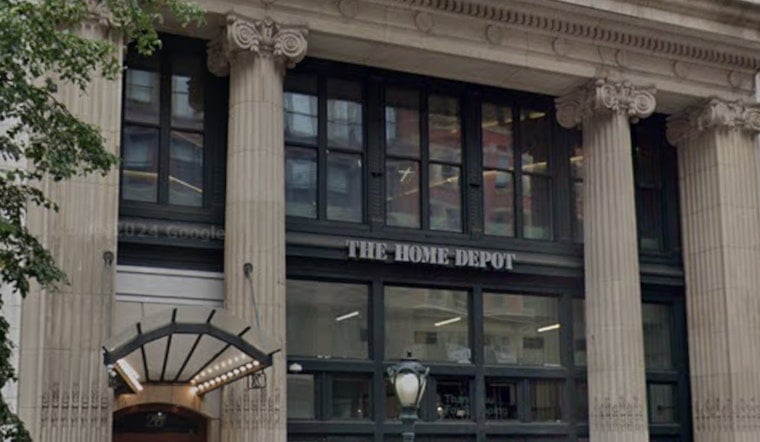
Filings with the SEC for the property confirm that the two connected buildings together span about 578,000 square feet and that Home Depot anchors the retail frontage. Landlords say Williams Equities’ recent refresh of the common areas at the addresses helped make those extra blocks of space an easier sell to growing tenants like Ramp.
AI and big-name deals padded the total
Beyond Flatiron, artificial intelligence and finance names helped round out March’s rebound. CoStar reported key moves that included Harvey AI’s expansion at One Madison Avenue and a multi-floor lease at 11 Madison, both viewed as high-profile wins for the landlords involved. A company release showed SL Green’s early-year leasing activity reaching roughly 491,000 square feet.
Market participants note that commitments of that size can make month-to-month data look a little whiplash-inducing. Still, they argue the bigger picture is more encouraging, with tenants clearly signaling that when they do commit, they are willing to pay up for quality space in premier locations.
Why landlords are feeling optimistic
Observers point to a familiar pair of forces behind the rebound: a flight to quality and shrinking sublet availability. Those trends were flagged in the Federal Reserve’s March summary of regional conditions, compiled by the Minneapolis Fed, and have also turned up repeatedly in landlords’ earnings calls.
The owner community, including major landlords that are reporting robust leasing pipelines and healthy mark-to-market gains, says demand is coming back first to the best-located, best-amenitized buildings. That is pushing availability lower at the top end and helping rents hold the line, which in turn has made lenders and other capital sources more comfortable underwriting well-positioned Manhattan assets again, according to brokers and executives.
What to watch next
The open question is whether March’s surge marks the start of a steadier run of big leases or just a well-timed pileup on the calendar. If more tenants step up with similarly large commitments, the momentum could spread beyond the trophy towers. For now, though, those early-March deals have clearly brightened the mood for owners of high-quality Manhattan offices and sharpened everyone’s focus on where class-A space is still up for grabs.



