

























































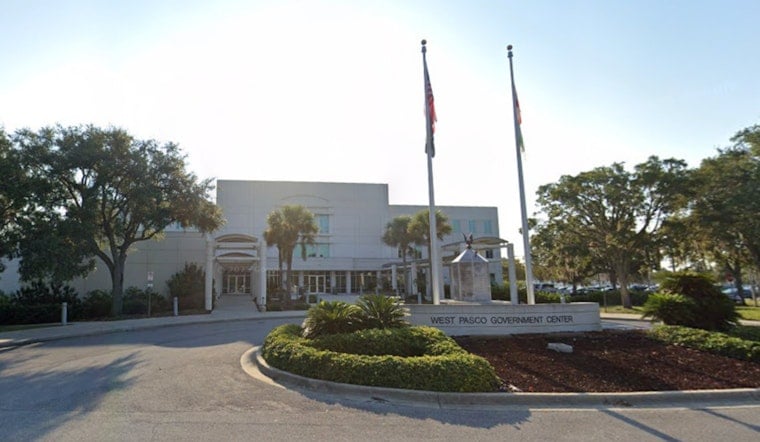
Pasco County just made it a lot more expensive to take down big trees. In a unanimous 5-0 vote on March 24, commissioners signed off on a countywide overhaul of tree-preservation rules that officials say is designed to slow clear-cutting and funnel more money into new plantings. The changes pull tree removal directly into the development approval process, tighten survey and protection requirements, and reset how developers pay for lost canopy. Builders and industry groups warn the new math could change what gets built and what stays standing.
The board also locked in a new fee schedule and a dedicated Tree Mitigation Fund. According to Pasco County, the standard in-lieu contribution rises to $75 per inch of removed trunk, while a $150-per-inch charge applies to designated heritage trees, up from roughly $50 per inch under the old rules. A per-acre in-lieu option is set at $2,750 and is scheduled to rise to $3,500 on May 1, 2026. The measure, adopted at a public meeting in New Port Richey, won unanimous approval. County leaders say the overall goal is to make saving trees a better economic choice than clearing a site.
What the New Code Requires
The rewrite amends Land Development Code Section 802 so that tree removal and protection now sit at the center of development review. Project applications must include detailed tree location surveys and inventories for trees 10 inches DBH and larger, along with a certified tree plan prepared by a registered landscape professional. Any tree 5 inches DBH or greater will now require a Tree Removal Permit.
The ordinance also creates tree protection zones, sets standards for protective barriers, and spells out rules for trees with special significance. In some cases, those trees may need to be placed in preservation easements, according to the adopted text.
Carrots as Well as Sticks
The package is not all penalties. It also builds in financial incentives to keep older canopy in place. As reported by Tampa Beacon, developers who preserve qualifying heritage trees could see credits of roughly $300 per inch, while credits of about $150 per inch would apply for trees 10 inches and larger that are retained in required perimeter landscaping along arterial and collector roads.
County staff described the credit structure as a financial nudge to keep trees on site instead of simply paying into the mitigation fund. Planners also told commissioners they will fine-tune how those credits are calculated during upcoming implementation workshops.
Where the Mitigation Money Will Go
Fees paid into the Tree Mitigation Fund will be kept separate from Pasco’s general revenue and reserved for specific uses. According to the county’s business impact estimate, the money can be used only to purchase and plant county-approved drought-tolerant trees, support homeowner and affordable-housing plantings, and assist school landscaping projects.
The fund may also reimburse the purchase of approved plant material and cover limited administrative costs, as designated by the Board of County Commissioners.
Developers Push Back
Developers, engineers and the Tampa Bay Builders Association told commissioners that the fee increases, coupled with the lack of grandfathering, could hit active projects with large and unexpected bills. They also questioned whether higher payments alone would truly curb large-scale clearing, according to Tampa Beacon.
Those concerns led county staff to promise follow-up workshops and clearer guidance on exemptions and day-to-day implementation.
Legal Note and What Happens Next
The ordinance takes effect once a certified copy is filed with the Florida Department of State. Under the adopted text, the Board keeps authority to adjust fee levels and the allowed uses of mitigation money by resolution.
County staff will now publish implementation rules, and commissioners have signaled they expect periodic reports detailing how mitigation dollars are spent.
For neighborhoods across Pasco, the policy shift is simple on paper: it is now supposed to cost more to cut down big canopy trees than to save them. Whether builders redesign projects to keep more shade in place, or decide it is easier to write a check, will determine how much the new rules really change the landscape.



