

























































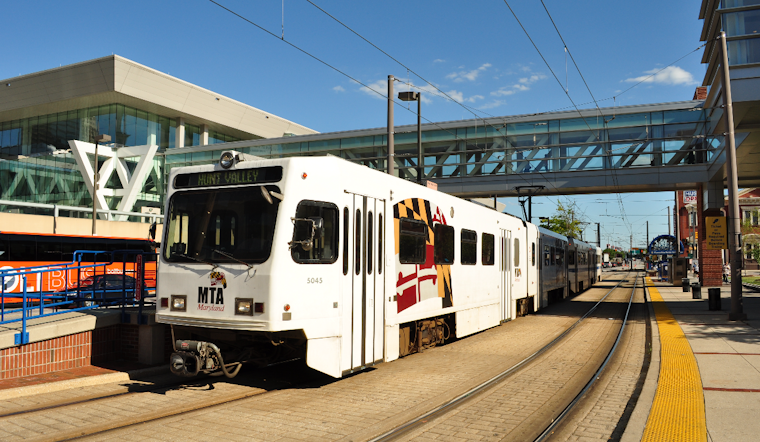
Maryland transit leaders have been sketching out a quiet Plan B that could trade Baltimore’s long‑promised Red Line light‑rail line for a bus rapid transit system, according to people familiar with the planning. The behind‑the‑scenes work would be a major departure from the Moore administration’s June 2024 call for light rail and comes as the state wrestles with shaky prospects for federal grants, higher construction costs, and tricky land purchases. For communities between Woodlawn and Bayview, the final call on mode and timing would effectively rewrite decades of expectations for how, and how fast, east‑west transit gets fixed.
Contingency plans and what’s on the table
The Baltimore Banner reports that Maryland Transit Administration staff have assembled a menu of fallback options, including swapping the planned light‑rail line for a bus rapid transit network. Planners have also looked at phasing the build, using state money first on a western segment while seeking federal dollars later for the eastern stretch, according to the outlet’s sources. Those sources say the contingency work is driven by concern over locking in federal funding, escalating costs, and complications around acquiring needed property along the corridor. MTA Administrator Holly Arnold has said her team is studying several alignments through especially thorny areas, such as Canton Crossing, as part of that ongoing technical work.
Backstory: Moore picked light rail in 2024
Governor Wes Moore formally revived the Red Line effort in 2023 and, in June 2024, announced light rail as the state’s preferred option, as laid out by the Governor’s Office. Project materials describe the Red Line as roughly a 14‑mile corridor running from Woodlawn to Johns Hopkins Bayview Medical Center, according to RedLine Maryland. State officials say the next formal steps are environmental review and preparing an application for federal capital grants, while design work moves forward.
Money questions are pushing planners toward cheaper options
At the same time, the MTA is getting ready for a major Light Rail Modernization program, pegged at about $1.4 billion to overhaul rail cars, stations, and critical infrastructure, a commitment spelled out in state budget filings. Those Maryland budget documents show hundreds of millions of dollars programmed for modernization through fiscal 2031. That long list of obligations complicates the state’s ability to bankroll a separate multibillion‑dollar Red Line construction effort without either new revenue or substantial federal grants. Previous reporting has put the full Red Line price tag somewhere in the multibillion range, which helps explain why cheaper, faster‑to‑build options are suddenly getting a hard look behind closed doors.
What a bus rapid transit option would mean
Bus rapid transit, or BRT, can typically be delivered more quickly and at a fraction of the cost of light rail while still offering many of the same advantages for riders. When done well, that means dedicated lanes, off‑board fare payment, and faster, easier boarding. Cities often point to Cleveland’s HealthLine as a U.S. example of BRT that drove both ridership gains and significant investment along the Euclid Avenue spine, with agency materials citing faster trips and heavy private development on the corridor. Guidance from the Institute for Transportation and Development Policy stresses that design choices, from how much street space is reserved for buses to how stations operate, determine whether a line functions like true BRT or just a dressed‑up local bus. Those details would shape the tradeoffs Maryland officials face if they pivot to a bus‑based Red Line.
Officials say the project remains on the books
Publicly, MTA leaders and the Moore administration continue to say they are committed to fixing Baltimore’s east‑west transit problem, even as they test different scenarios behind the scenes. In comments cited by The Baltimore Banner, MTA spokesperson Veronica Battisti said the agency and the administration remain focused on advancing the Red Line project. Acting Transportation Secretary Kathryn “Katie” Thomson has described the state’s dealings with federal transportation officials during budget hearings as “business as usual.” Officials say the final call will depend on the ongoing technical analysis, a chosen alignment, and whether federal or new state funding can be nailed down.
Whichever direction state leaders ultimately take will lock in the shape of Baltimore transit investment for decades. A light‑rail build would aim for higher capacity and long‑term permanence along the corridor. A bus rapid transit rollout could provide service improvements more quickly and at a lower upfront cost, with a different set of implications for neighborhoods, land use, and how easily the system can expand in the future.





