

























































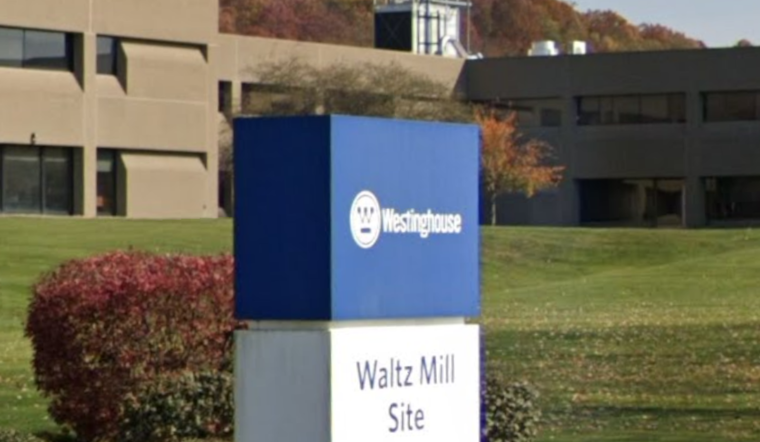
Westinghouse is pitching a nationwide buildout of its AP1000 reactors as a roughly $1 trillion shot in the arm for the U.S. economy, arguing that construction and long-term operations would send work to manufacturers and payrolls across multiple states. Company modeling sketches a long runway of spending for suppliers and local workers, as long as projects move forward and stay on schedule.
As first reported by the Pittsburgh Business Times, a PricewaterhouseCoopers analysis commissioned by Westinghouse projects that the construction phase alone would generate about $92.9 billion in gross domestic product over roughly 13 years. That coverage says the cumulative footprint, once manufacturing, installation, and decades of operation are counted, could reach about $1 trillion nationwide.
What The PwC Study Actually Measured
PricewaterhouseCoopers breaks impacts into direct, indirect, and induced effects and runs scenario models tied to capital spending, local procurement, and long-term operation. Similar PwC reports prepared for Westinghouse, including a Canada study that estimated $28.7 billion in GDP during manufacturing and installation and a separate analysis of the V.C. Summer site, show how lifetime operating value can dwarf upfront construction figures. See the PricewaterhouseCoopers study and Westinghouse’s write-up of the V.C. Summer analysis via Business Wire.
Why Pittsburgh Stands To Benefit
Westinghouse is headquartered in the Pittsburgh suburbs, and its strategic partnership with the U.S. government calls for at least $80 billion of reactor construction in the United States. Company leaders and Pennsylvania officials have framed the program as a supply chain and workforce opportunity for the region, with Westinghouse saying a program of new units could bring thousands of jobs to southwestern Pennsylvania; GovTech summarized those commitments. Details of the partnership and the company’s public statements are posted on Westinghouse’s site and in Associated Press materials.
Why Analysts Urge Caution
Analysts point out that headline GDP numbers can gloss over project risks. Past U.S. AP1000 builds were hit with long delays and large cost overruns, with Plant Vogtle’s two new units adding roughly $17 billion to their price tag and finishing years late. Those history lessons highlight how contracts, oversight, and supplier readiness will determine whether local communities actually capture the promised spending or end up paying for contingencies. The Washington Post and other outlets have documented those setbacks and the government’s role in the new strategic partnership.
Next Steps And What To Watch
Federal contracting, Nuclear Regulatory Commission licensing, and firm customer orders will be the practical checkpoints between today’s modeling and real projects. PricewaterhouseCoopers studies flag procurement choices and workforce training as the biggest levers of local benefit, so readers in the Pittsburgh area should watch vendor lists, labor agreements, and state incentive programs as the program moves from term sheets to shovel-ready projects. For background on the local stakes and officials’ remarks, see recent summit coverage and public statements from state leaders and organizers.
If executed, the Westinghouse plan could reshape the region’s industrial base, but a string of regulatory approvals, financing milestones, and sound contracting will be needed to turn those models into paychecks. Local contractors, labor groups, and elected officials will be the ones to watch as the story moves from projection to practice.



