

























































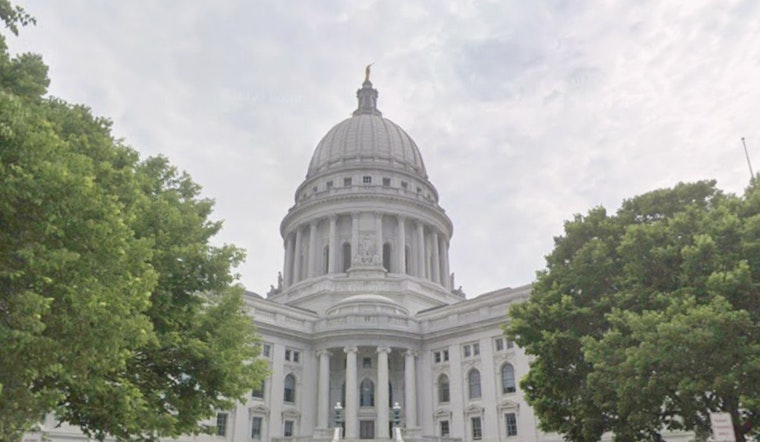
Wisconsin sexual assault survivors will now have far more time to seek criminal charges. On March 6, 2026, Gov. Tony Evers signed a bipartisan "Survivor Justice & Safety" package that doubles the statute of limitations for many second‑degree sexual assault prosecutions, giving prosecutors up to 20 years to file charges.
The new law is not just about the clock. It also expands limited immunity for people who report assaults from certain misdemeanor drug and alcohol offenses, lengthens how long sexual‑assault kits must be preserved and makes it easier for victims to break unsafe residential leases. Supporters say the mix of extra time and added protections is designed to chip away at the practical and emotional barriers that often stop survivors from coming forward, while acknowledging both advances in evidence technology and what we now know about trauma‑informed reporting.
What the law changes
In a press release, the Office of the Governor described the measure, Senate Bill 413, now 2025 Wisconsin Act 90, as a package of reforms that extends the statute of limitations for prosecuting second‑degree sexual assault and boosts protections for survivors and those who help them. The Office of the Governor also highlighted provisions that require crime labs to hold sexual‑assault kits for a longer period and that give tenants a way to terminate leases when their housing situation becomes unsafe. For those who want to dig into the fine print, the bill text and legislative history are posted on LegiScan.
Advocates welcome the change
Survivor‑support organizations say the package tackles very real obstacles faced by people deciding whether to report. In its statement on the measure, RAINN said the "Survivor Justice & Safety Package" will give survivors a longer window to access the court system. RAINN Vice President Stefan Turkheimer called the law a step toward making "Wisconsin a safer place for all of its residents." The organization also pointed to its hotline and local advocacy network as part of the push that helped move the bill to Evers' desk.
Why prosecutors said more time matters
Prosecutors and subject‑matter experts have argued that modern investigations often stretch far beyond older legal deadlines. Wisconsin Public Radio reported that advances in DNA analysis and the way serial offenders are identified can mean crucial evidence emerges years after an assault. Second‑degree sexual assault remains a felony under state law that can carry a sentence of up to 40 years in prison, and the new timeline is intended to give prosecutors room to bring cases when new information comes to light instead of racing an arbitrary cutoff.
Practical effects and next steps
Lawmakers and advocates who backed the bill say the goal is twofold: remove barriers that discourage survivors from reporting and give investigators enough time to build solid cases. LegiScan lists the bill's sponsors and tracks its path through the Legislature, while the Office of the Governor notes that Evers signed the measure into law on March 6, 2026. Next up are the less flashy but crucial pieces: updating evidence‑retention policies, training law enforcement and rolling out guidance for prosecutors and victim‑services providers so the new rules actually work in practice.
If you or someone you know has experienced sexual assault, RAINN's National Sexual Assault Hotline offers free, confidential support at 1‑800‑656‑HOPE (4673) or by texting HOPE to 64673. RAINN also provides 24/7 online chat and connections to local resources for survivors in Wisconsin.





