

























































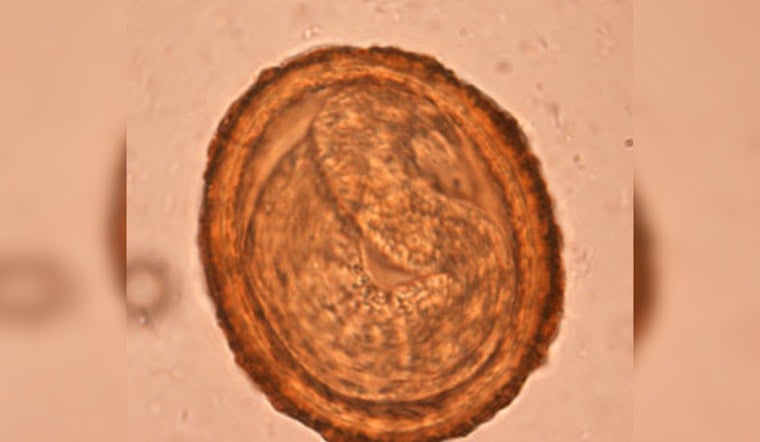
A Woodland Hills family took their dog in for a routine exam in January and walked out with a diagnosis no one wants to hear: a rare, brain-infecting raccoon roundworm. The unexpected find has county health officials talking bluntly about raccoon feces, pet safety, and why your yard clean-up routine suddenly matters a lot more.
County: First Formal Detection In A Dog
Los Angeles County issued an advisory on Jan. 16, 2026, after testing in mid-January identified Baylisascaris eggs in the dog. Public health officials say it is the first formally reported detection of Baylisascaris eggs in a dog in county history. The dog is being treated, and so far, there are no reported human illnesses tied to the case. Officials stress that the risk to the general public is extremely low, but they are urging people to clean up raccoon feces quickly and follow decontamination guidance, according to the Los Angeles County Department of Public Health.
State health officials note that human infection with raccoon roundworm remains very rare in California. Since 1993, there have been fewer than 10 human cases statewide, per the California Department of Public Health.
Vet: 'Never Seen A Case Like This'
The Woodland Hills veterinarian who treated the dog told reporters he had "never seen a case like this" and warned that untreated Baylisascaris infections in pets can lead to blindness, seizures, and other serious illnesses. He added that owners should not panic about basic affection. "You can still cuddle with your pet, you can snuggle with your pet and not be afraid of catching this parasite directly," he said, noting that transmission most often happens after ingestion of material contaminated with raccoon feces, according to CBS Los Angeles.
How The Parasite Spreads And What Stops It
Baylisascaris eggs are shed in raccoon feces. They do not become infectious right away, but typically require about two to four weeks in the environment before they can cause infection, which is why prompt removal of raccoon latrines is a key prevention step, according to the CDC.
Most standard household cleaners are not reliable against these eggs. High heat is. The CDC recommends boiling water or steam-cleaning for decontamination of hard surfaces. Research has found that complete inactivation of Baylisascaris eggs occurs at temperatures around 57°C (135°F), providing the scientific basis for the heat-focused cleanup advice, per an analysis in Emerging Infectious Diseases.
A Handful Of Human Cases, Including Two Children Last Year
Los Angeles County health materials report that two unrelated children in the South Bay were infected in 2024 after likely exposure to raccoon feces; both recovered with treatment, according to public health officials. County guidance points out that toddlers, people with pica or developmental disabilities, and others who might accidentally ingest contaminated soil or feces face a higher risk, according to the county's raccoon-roundworm information page. The Los Angeles County Department of Public Health documents those earlier cases and offers practical tips for families and providers.
Advice For Pet Owners And Parents
Officials and infectious-disease experts are pushing straightforward steps: pick up pet feces promptly, keep trash and pet food secured so they do not attract wildlife, cover sandboxes, wash hands after playing in dirt, and remove raccoon latrines carefully. If you find a latrine, they recommend wearing gloves and avoiding activities that stir up dust while cleaning. Heat in the form of boiling water or steam is the most reliable way to decontaminate hard surfaces, per the CDC.
Pet owners are also urged to keep routine veterinary care current and talk with their veterinarian about deworming if they suspect a pet may have been exposed.
What The Woodland Hills Family Says
The dog, named Ducky, was adopted from a family friend and brought in for what the owners believed would be standard preventive care. "I know it's going to be expensive, but it'll be a lot more expensive later if you catch something too late," one family member told CBS Los Angeles. The family says Ducky is receiving treatment and that they want other pet owners to understand the risks and the simple steps that can protect both animals and children.
Local veterinarians say the case should serve as a reminder to keep yards and play areas free of wildlife waste and to consult a veterinarian if a pet shows symptoms such as lethargy, vomiting, or neurologic signs. Officials emphasize that basic habits like good hygiene, securing trash, and promptly cleaning up animal waste remain the most practical defense against a rare but serious parasite.





.jpg)