

























































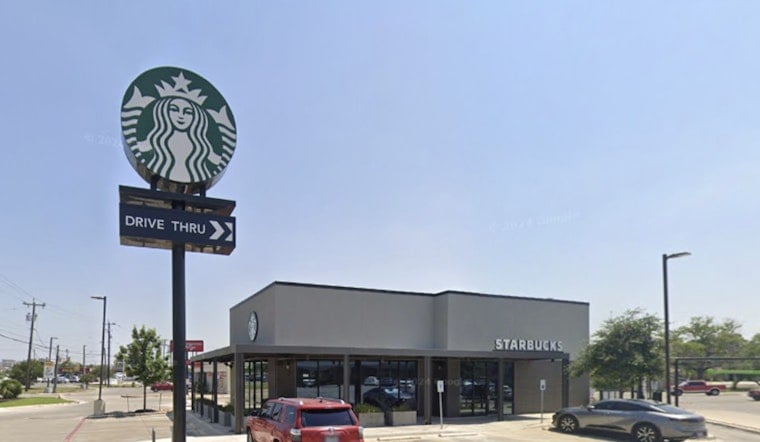
San Antonio baristas who organized a union at a Blanco Road Starbucks say their daily pickets and a long-running walkout helped shove the coffee giant back toward the bargaining table this spring. Across Texas, from Austin to the Dallas-Fort Worth area, unionized Starbucks shops have been leaning on strikes and a web of shop delegates to turn scattered gripes about pay and short staffing into a coordinated bargaining push. Whether that local heat turns into a first contract that is actually binding remains wide open as negotiations move into a new chapter.
After months of sputtering talks, Starbucks and Starbucks Workers United agreed to restart in-person bargaining at the end of March, with the company proposing sessions beginning March 30 as both sides try to revive stalled negotiations, according to Bloomberg Law. Starbucks has been promoting a “Back to Starbucks” plan that it says will boost pay, benefits and partner supports while stressing that only a small share of U.S. stores are unionized, according to Starbucks. Workers and organizers counter that the company’s pitch still does not fix the day-to-day staffing and scheduling problems that sparked organizing in the first place.
At the Blanco Road store in San Antonio, worker-organizer Victoria Hernandez says the shop stayed closed for roughly two months after staff walked out in November 2025, and that 14 workers joined in on daily pickets and community events that brought in money and raised the store’s profile at the bargaining table, per Texas Observer. Hernandez told the outlet the action “showed us how much power you have as a worker,” a lesson organizers are now trying to copy and paste across Texas.
Union demands and staffing
Starbucks Workers United has trimmed its economic wish list down to what it calls realistic floors: a $17 starting wage for the lowest-paid baristas, 4% annual raises and a promise that at least three workers will be scheduled on the floor at all times to tackle chronic understaffing. The union is also pressing for tougher anti-discrimination protections and curbs on Starbucks’ ability to close or understaff union shops, moves that labor reporters say are crucial to turning raises on paper into lasting gains, according to Labor Notes.
How organizers turned pickets into leverage
Texas organizers highlight a delegate-first model. Elected baristas from each union store are expected to comb through any tentative deal and help explain it to co-workers, a setup that workers credit with building real pressure across the state. Delegates like Trey Runyan in Austin and Ben Estrello in Dallas point to monthly meetings and cross-store networks that kept strike lines staffed and pulled in interest from non-union stores, according to Texas Observer.
Legal pressure and bargaining tactics
The fight at the table is not just about Texas shop-floor politics. The union has filed a long list of unfair-labor-practice charges, and organizers say hundreds of alleged violations are still unresolved as part of broader legal pressure on the company. Labor coverage notes that the union has accused Starbucks of reopening items it had already agreed to and of using regressive bargaining tactics, which organizers frame as one more lever to secure meaningful contract language, per Labor Notes.
Money and optics
Organizers routinely point to executive pay and shareholder rewards as proof that Starbucks has the cash to meet baristas’ demands. The Guardian reported that CEO Brian Niccol received roughly $97.8 million in total compensation in 2024, while the company sent billions back to shareholders through stock buybacks and dividends. Those numbers have become a backdrop for workers arguing that modest wage floors and guaranteed staffing would cost only a sliver of what the company already hands to the top.
What’s next
With bargaining dates back on the calendar, Starbucks says it plans to keep meeting with the union while rolling out new investments aimed at workers, according to Starbucks. Any tentative deal, however, would still have to run a gauntlet of elected delegates and store-level ratification votes. The next stretch of talks will test whether the mix of strikes, community backing and legal cases can be translated into enforceable contract language that locks in higher pay and clearer staffing rules.



