

























































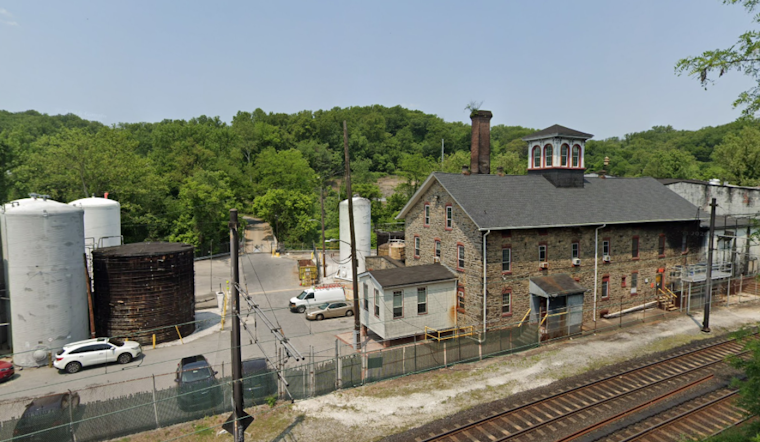
The long-running vinegar saga on the Jones Falls has officially wrapped. Nearly five years after residents first started spotting dead fish in the North Baltimore stream, a federal judge has signed an order finding that the retired Fleischmann’s Vinegar facility is no longer sending acidic discharges into the waterway. That ruling closes a court-monitored cleanup that grew out of citizen complaints in 2021 and a series of follow-up investigations.
U.S. Magistrate Judge J. Mark Coulson signed the order on April 23, 2026, concluding that plant operators had cleared six months of continuous monitoring and that independent testing backed up the results, according to The Baltimore Banner. Attorneys for Fleischmann’s reported to the court that they had finished settlement payments and fully decommissioned the site in a detailed filing. With the judge’s signature, the consent decree that had dictated cleanup work around the old vinegar plant is now over.
The dispute traces back to a September 2021 tip that led investigators to hundreds of dead fish in the Jones Falls, with some counts reaching about 1,000, according to court records. Advocates and independent testing later documented acetic acid seeping through cracks in the plant’s walls and dangerously low pH readings downstream. For the early paper trail, see the original filings on Justia and coverage from Baltimore Brew.
Blue Water Baltimore’s federal Clean Water Act suit eventually settled for roughly $1.3 million, with most of that money set aside for stream restoration projects, according to the Chesapeake Legal Alliance. On a separate track, the Maryland Department of the Environment negotiated a state consent decree in September 2024 that layered on penalties and additional monitoring requirements, as outlined by the Maryland Department of the Environment. Both agreements required sustained testing and corrective work before the courts would step aside.
Kerry Group, which owns Fleischmann’s in the United States, announced it would shut down production at the aging Baltimore facility as the case unfolded. Reporting shows the plant stopped making vinegar in late 2023, and the company removed stored product and equipment in early 2024. Advocates and court filings indicate the company then moved into decommissioning the site as part of the settlement, with money pledged for restoration projects around the watershed. For a breakdown of the settlement terms and timeline, see Baltimore Brew.
“This is a really great win,” Alice Volpitta, Baltimore Harbor Waterkeeper with Blue Water Baltimore, told The Baltimore Banner, calling the case proof that citizen complaints and environmental law can actually force a cleanup. The group has said it will keep doing spot checks on the Jones Falls to make sure the waterway stays protected.
What the order means legally
The federal case began as a Clean Water Act citizen enforcement lawsuit that used a consent decree to spell out monitoring requirements, payments, and specific remedial steps, as reflected in public records on Justia. The state’s parallel enforcement path gave Maryland regulators additional penalties and reporting tools, according to the Maryland Department of the Environment, and those permits and conditions remain enforceable even with the federal court’s supervision now lifted. In practice, the judge’s order closes one chapter of litigation while leaving regulators and neighborhood groups to handle the long-term restoration work and oversight.
Money for the Jones Falls
The settlements earmark grant money for a slate of projects in the Jones Falls watershed, including wetlands observation decks, invasive-vine removal, trash cleanups, and environmental education efforts, according to the Chesapeake Legal Alliance. The alliance and its partners say community organizations will help decide how grants are awarded and will track what those projects actually do on the ground.
Blue Water Baltimore plans to keep up independent monitoring and argues that local watchdogs will remain crucial to keeping the Jones Falls on a recovery path. Regulators, nonprofits, and nearby residents now face the unglamorous but essential task of turning settlement dollars and monitoring data into visible improvements in a stream that ultimately feeds the Inner Harbor.





