

























































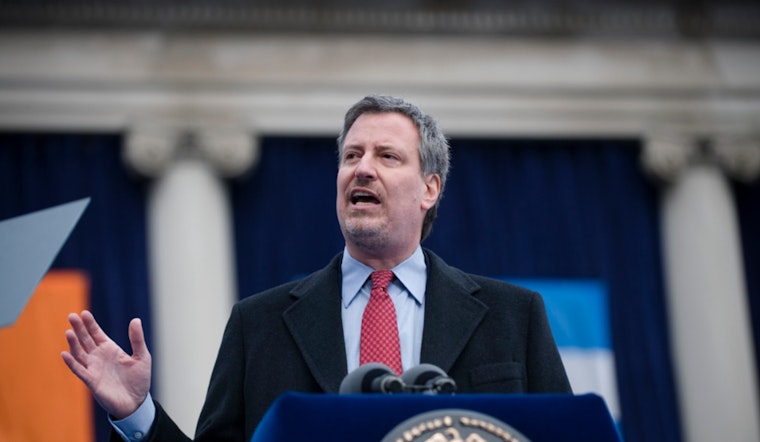
Former New York City mayor Bill de Blasio slipped back onto the international stage in late January, flying to Bogotá to appear at Progressive International’s Nuestra América summit alongside a cast of ministers, politicians and activists from across the hemisphere. The trip is now getting a second look because some of the organizations in the mix have recently been linked by U.S. officials and reporters to Neville Roy Singham’s donor network, putting one of New York’s most recognizable political figures in the middle of a brewing fight over foreign funding and influence in civic organizing.
De Blasio At The Nuestra América Summit
Progressive International lists de Blasio as a delegate and describes the Jan. 24–25 "Nuestra América" gathering in Bogotá as an emergency hemispheric summit that brought together ministers, parliamentarians and movement leaders, according to Progressive International. Organizers said the event combined closed-door deliberations at the Palacio de San Carlos with a public assembly at Teatro Colón, all framed around debates on sovereignty and solidarity across the Americas.
Why The Trip Raised Eyebrows
The Bogotá visit drew new scrutiny after a State Department assessment sent to Congress was reported to single out U.S.-based activist groups, including Code Pink, and organizations tied to what reporters have called the "Singham network" as possible conduits for Chinese information manipulation, according to The New York Post. Separate reporting by The New York Times traced money from Neville Roy Singham to a web of nonprofits and media outlets, raising parallel concerns about how cross-border funding can shape narratives and messaging.
Small-City Mayors And A Global Stage
Among the U.S. attendees was South Tucson Mayor Roxanna Valenzuela, who told the Arizona Daily Star that she traveled to Bogotá with the delegation and met Colombian President Gustavo Petro during the trip. "I was invited as the mayor of South Tucson, but I was just more than anything there to learn and connect with other people," Valenzuela said, adding that members of the group paid their own way. Her account underscores how the summit blended high-ranking ministers with small-city officials and grassroots activists in the same rooms.
Code Pink's Response And De Blasio's Role
Code Pink has denied receiving funding from China or any other foreign government, according to reporting in The New York Post. Organizers cast the Bogotá summit as a coordination session for left-wing movements across the hemisphere and said the aim was to strengthen solidarity and sketch out shared strategies in the face of outside pressures. De Blasio’s presence folded a familiar American progressive figure into that effort, which critics argue is precisely why the guest list matters.
Political And Legal Fallout
The timing of the trip coincided with intensifying Congressional scrutiny of foreign funding in the American nonprofit sector. The House Ways and Means Committee has held hearings, spotlighted donor networks linked to Neville Roy Singham and referred certain groups for further review, according to the committee's accounts of those proceedings. That growing oversight campaign has fueled calls for more transparency around donor relationships and for regulators to reassess whether existing disclosure rules actually keep pace with complex transnational networks.
For de Blasio, who remains a nationally recognizable progressive voice, the Bogotá stop is a reminder that even a conference appearance can turn into a political flashpoint. Supporters frame the summit as a legitimate space for solidarity and strategy; critics point to it as another example of how international activist and funding networks can blur domestic political lines. As lawmakers and watchdogs push for clearer disclosures, trips like this are likely to keep drawing attention well after the flights home have landed.



