

























































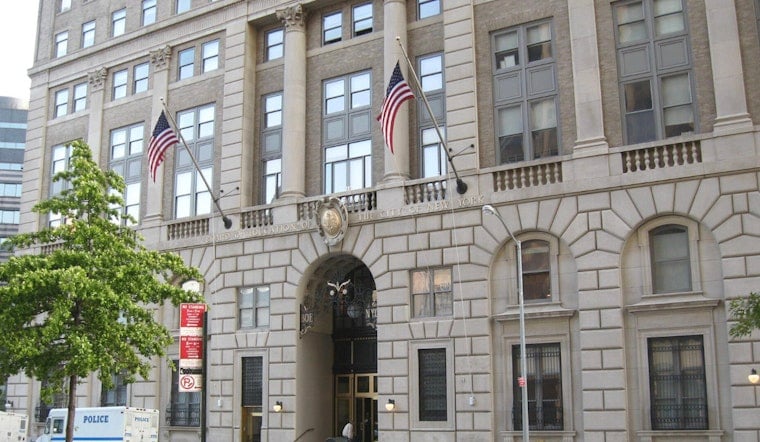
A high-stakes class-action fight over what counts as a basic education for students in ultra-Orthodox yeshivas has jumped from budget negotiations in Albany to a Brooklyn courtroom, pulling a long-simmering debate back into public view. Plaintiffs argue that changes tucked into last year’s state budget watered down rules meant to guarantee instruction in English, math, science and civics for children in private religious schools.
A new TV report that aired on April 24, 2026 put the dispute back in front of New Yorkers. According to CBS News New York, the class-action asks whether the state is doing enough to make sure yeshivas provide a basic secular education.
The suit was filed in Kings County Supreme Court on Sept. 18, 2025 by attorney Michael Rebell. It seeks to undo FY2026 budget language that advocates say gutted enforcement of the state's “substantial equivalency” rules. According to a YAFFED press release, the plaintiffs say the changes will leave roughly 100,000 yeshiva students without enforceable protections, while court documents lay out allegations about minimal secular instruction in many schools.
How We Got Here
This fight did not spring up overnight. The controversy traces back to a probe that began in 2015 and picked up steam after investigative reporting and city reviews in 2022 and 2023 flagged weaknesses in secular instruction at a number of yeshivas. The City reported that the Department of Education found gaps in reading, math and social studies at several schools, which helped spur statewide regulatory work.
In response, the State Education Department in 2022 laid out rules describing how nonpublic schools can show “substantial equivalency,” including assessment pathways and timelines, and published responses to public comments as it adopted those regulations. NYSED documents show the agency considered dozens of public comments before finalizing the rules.
Arguments From Both Sides
Leaders in the yeshiva community and some lawmakers counter that tougher enforcement would amount to government overreach and would interfere with religious liberty and parents’ right to direct their children’s education. As Newsweek noted, organizations aligned with yeshivas backed legal challenges that argued the FY2026 changes preserve flexibility and help prevent school closures.
That tension, between religious autonomy and state standards for a basic secular education, is now playing out in dueling court filings and a fresh round of news coverage.
Legal Stakes and Timetable
The state attorney general’s office moved to shut the case down early. It filed papers at the end of January seeking to dismiss the lawsuit, arguing that the plaintiffs lack a private right to enforce the state constitution’s “sound basic education” duty for nonpublic schools and questioning whether the plaintiffs have standing to sue at all. Spectrum News reported that the state framed the dispute as a legal question about the scope of constitutional duties rather than a straightforward education enforcement case.
A hearing on the motion was expected in April, and lawyers on both sides say the outcome could ultimately be appealed up to New York’s highest court.
What Plaintiffs Say Students Are Missing
Plaintiffs point to schedules, report cards and testimony that, they say, show some boys’ yeshivas offering secular classes for only a short block of time, often about 90 minutes on four days a week, with little or no instruction in science, history or civics. Those details are laid out in the court complaint, and YAFFED says the gaps carry long-term consequences for employment prospects, language proficiency and civic participation in affected communities.
According to the plaintiffs, the FY2026 budget changes stripped away meaningful testing and oversight tools that would otherwise help enforce minimum standards.
What to Watch Next
The Brooklyn case is being closely watched because a ruling could reshape how New York enforces basic-education protections for private schools across the city and the rest of the state. Local reporting has documented how the fight has already touched families and neighborhoods, and whatever the courts decide is likely to trigger renewed debate over oversight, funding and the limits of religious autonomy in schooling.
For now, parents, advocates and elected officials are keeping an eye on the court calendar and on the long-running policy battle that brought the issue to this point.



